
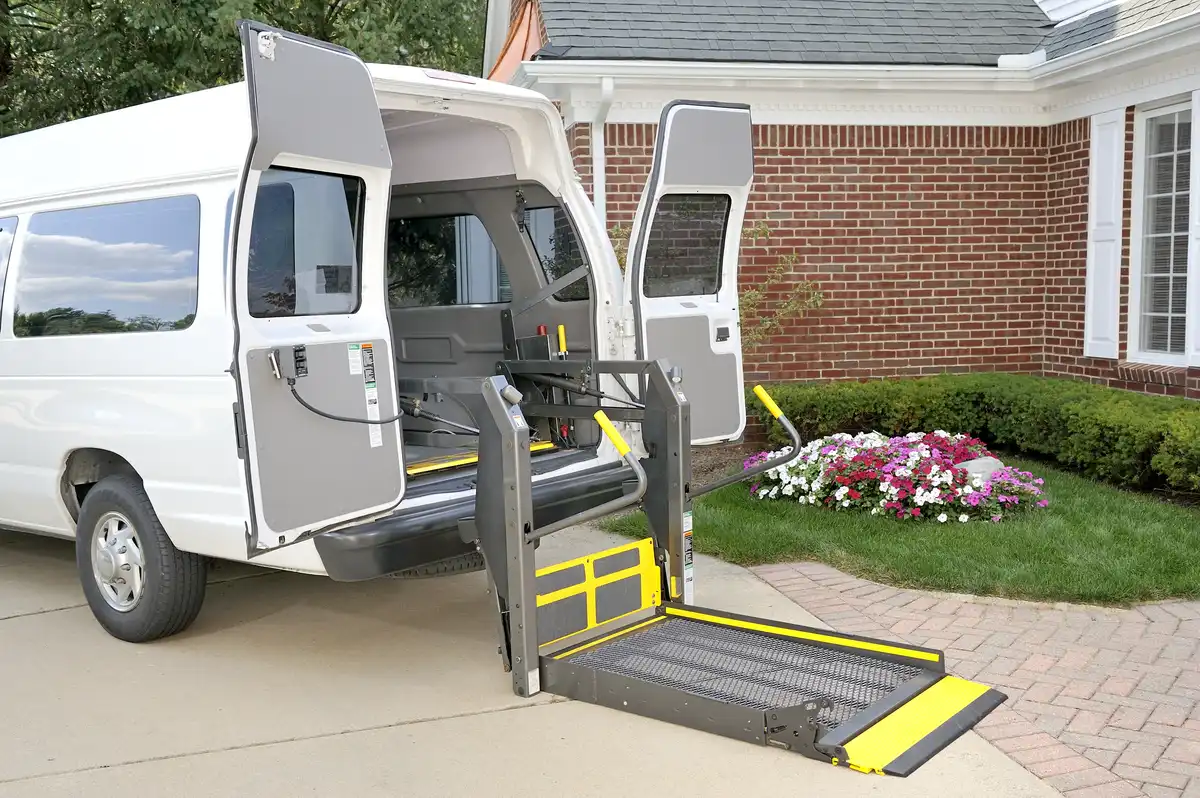
The Largest Risk Every NEMT Business Faces Daily
For most Non-Emergency Medical Transportation (NEMT) providers, commercial auto exposure is not just one risk among many. It is often the single largest threat to the company's financial stability.
Every mile driven creates the potential for accidents, passenger injuries, third-party liability claims, and regulatory scrutiny. Unlike traditional delivery services, NEMT operators transport medically vulnerable individuals who may require wheelchairs, mobility devices, oxygen equipment, or assistance entering and exiting vehicles.
Because of these factors, even a seemingly minor accident can escalate into a significant claim.
Why NEMT Claims Are Different
NEMT operators regularly transport:
- Dialysis patients
- Elderly passengers
- Patients recovering from surgery
- Individuals with mobility impairments
- Wheelchair users
- Long-term care residents
Many passengers already have underlying medical conditions, making injury claims more complicated and potentially more severe.
Real Claim Example: Wheelchair Securement Failure
A driver picks up a passenger for a routine dialysis appointment.
Although the wheelchair appears secured, one restraint strap is improperly attached.
During a sudden stop, the wheelchair shifts.
The passenger alleges neck, back, and shoulder injuries.
The claim ultimately includes:
- Medical expenses
- Pain and suffering allegations
- Attorney fees
- Regulatory inquiries
- Equipment inspection costs
The total incurred loss exceeds $150,000.
Real Claim Example: Assisted Boarding Incident
A driver assists an elderly passenger while boarding the vehicle.
The passenger loses balance during the transfer process and falls.
Although the vehicle was stationary, a bodily injury claim follows.
The investigation centers on:
- Driver training
- Passenger assistance procedures
- Documentation
- Witness statements
The resulting claim exceeds $80,000.
Real Claim Example: Distracted Driving Loss
A driver briefly reviews upcoming dispatch information while stopped in traffic.
Moments later, traffic movement changes and the vehicle strikes another auto.
Multiple parties allege injuries.
Several lawsuits follow.
The loss eventually exceeds primary liability limits.
The Most Common NEMT Fleet Risks
Driver Shortages
Difficulty hiring drivers often results in relaxed hiring standards.
Wheelchair Securement Errors
Improper securement remains one of the most significant NEMT-specific exposures.
Frequent Stops
NEMT operators may perform dozens of pickups and drop-offs daily.
Passenger Assistance
Helping passengers enter and exit vehicles creates additional liability.
High Vehicle Utilization
Vehicles operating continuously create more opportunities for accidents and breakdowns.
Top Commercial Auto Coverage Gaps
Many NEMT operators unknowingly lack adequate protection in areas such as:
- Hired and Non-Owned Auto Liability
- Uninsured Motorist Coverage
- Replacement Cost Coverage
- Rental Reimbursement
- Roadside Assistance
- Excess Liability
- Umbrella Liability Coverage
Risk Management Checklist
Driver Hiring
✅ Verify motor vehicle records
✅ Perform background checks
✅ Review prior employment history
✅ Establish minimum hiring standards
Driver Training
✅ Defensive driving
✅ Passenger assistance procedures
✅ Wheelchair securement
✅ Accident reporting
✅ Documentation standards
Fleet Maintenance
✅ Lift inspections
✅ Brake inspections
✅ Tire inspections
✅ Preventive maintenance schedules
✅ DOT compliance reviews
Questions Every NEMT Owner Should Ask
- Are our liability limits sufficient?
- Do we have umbrella coverage?
- Are all drivers properly screened?
- Are wheelchair securement procedures documented?
- Does the policy include hired and non-owned auto coverage?
- Are replacement vehicles covered following a loss?
Frequently Asked Questions
Is a $1,000,000 liability limit enough?
For some operators, yes. However, serious accidents involving multiple injured parties can exceed primary limits quickly.
Why is umbrella coverage important?
A catastrophic injury claim can easily exceed underlying liability limits.
How often should we review our commercial auto policy?
At least annually and whenever fleet size or operations change.
What causes the largest NEMT claims?
Passenger injuries, severe bodily injury accidents, and wheelchair securement failures.
Top Five Commercial Auto Mistakes
- Buying insurance solely on price.
- Failing to train drivers consistently.
- Ignoring MVR monitoring.
- Underinsuring umbrella limits.
- Poor claim documentation.
If your NEMT business has added vehicles, expanded service areas, hired additional drivers, or signed new transportation contracts, now is the time to review your commercial auto program.
The right insurance strategy can protect your balance sheet, preserve contracts, and keep your business moving forward.
Have questions? Contact:

Jason Ehlert
Commercial Insurance Advisor
Call: (253) 328-7740Book an Appointment»
...
Read Jason's full bio