

Many Colorado financial institutions build their insurance programs over time. Different coverages are placed with different brokers, often based on relationships, timing, or specific needs.
While this approach can seem practical early on, it often leads to complications that affect how well coverage performs when it matters most.
Understanding the challenges of fragmented insurance programs is an important step in strengthening financial institution risk management.
The Problem with Fragmented Insurance Programs
When insurance is spread across multiple brokers, each advisor typically focuses on their area of responsibility. While that may work in isolation, it can create issues across the broader program.
Common challenges include:
- Limited coordination between coverages
- Gaps that are difficult to identify
- Overlapping or redundant protection
- Inconsistent approaches to risk
Without a unified view, it becomes harder to understand how different policies interact.
Coverage Gaps Can Go Unnoticed
One of the most significant risks is the potential for gaps between policies.
These gaps may occur when:
- Policies are written by different carriers or advisors
- Coverage responsibilities are not clearly coordinated
- Assumptions are made about what another policy includes
In some cases, these gaps may not become apparent until a claim occurs. At that point, resolving coverage questions can be more complex and time-consuming.
For Colorado banks, credit unions, trust companies, and savings institutions, managing multiple lines of coverage through separate advisors can make these gaps more difficult to identify.
Claims Handling Becomes More Complicated
When multiple brokers are involved, managing a claim can require coordination across several parties. This can be especially challenging when multiple policies may respond to the same loss and different brokers are involved in claims coordination.
This may lead to:
- Delays in communication
- Unclear ownership of the process
- Confusion about how policies respond
- Additional administrative effort during an already difficult situation
Renewals Can Lack Alignment
Insurance programs evolve with the organization. As financial institutions grow and change, their risk profile shifts as well.
When renewals are handled separately, it can lead to:
- Different timelines and renewal cycles
- Inconsistent coverage strategies
- Missed opportunities for alignment
- Limited ability to adjust the program as a whole
Without coordination, each renewal decision may not fully reflect the broader risk strategy.
Communication Challenges Across Advisors
Working with multiple brokers often requires managing multiple points of contact.
This can create:
- Conflicting recommendations
- Inconsistent communication
- Difficulty maintaining a clear view of total coverage
- More time spent coordinating conversations
Over time, communication challenges can make it harder to maintain an effective insurance program.
The Value of an Integrated Insurance Approach
Many Colorado financial institutions are moving toward a more coordinated approach to insurance.
Working with one aligned team can help:
- Improve visibility across the full insurance program
- Reduce gaps and overlap
- Streamline communication and decision-making
- Support a more consistent risk management strategy
With a clearer view of how each coverage connects, institutions can make more informed decisions about their protection.
Connecting Insurance to Overall Risk Management
Insurance is one part of a broader risk management strategy. When policies are aligned and coordinated, they can better support the organization.
A connected approach helps ensure that:
- Coverage responds as expected
- Risks are evaluated in context, not isolation
- Decisions are made with a complete view of exposure
Rethink How Your Insurance Program Is Structured
Evaluating your insurance program can help uncover gaps, reduce unnecessary complexity, and improve alignment across your risk management strategy.
If your insurance program is spread across multiple brokers, I can help you evaluate how those coverages work together, identify potential gaps, and simplify the way your program is managed.
Have questions? Contact:
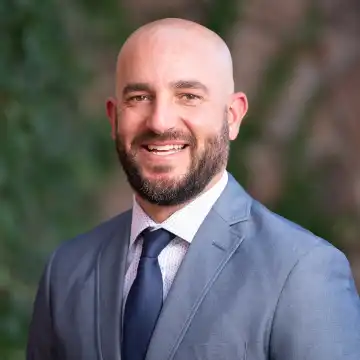
Derek Legg
Commercial Insurance Advisor
Call: (719) 466-0059Book an Appointment»
...
Read Derek's full bio