
Featured Answer
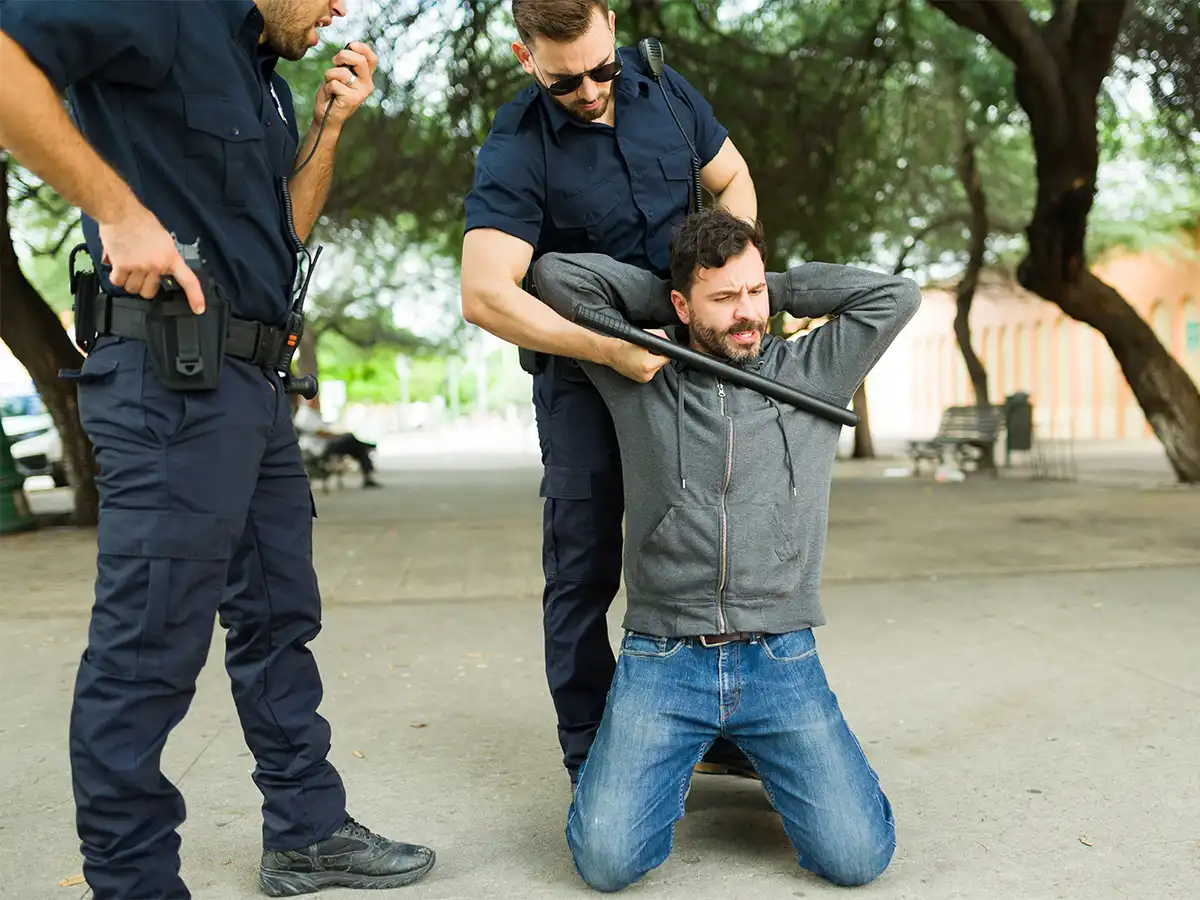
Assault & Battery (A&B) Liability Insurance for security guard companies may cover claims alleging excessive force, improper restraint, or unlawful physical contact during security operations. Because physical intervention is a routine part of private security work in the United States, A&B coverage is often essential to prevent uninsured force-related lawsuits.
If you run a security guard company, you already understand one reality of the job:
At some point, physical contact happens.
Whether it’s escorting someone out, separating individuals in a fight, detaining a suspected shoplifter, or responding to a volatile situation, security officers are expected to intervene. And when someone gets hurt — even slightly — the allegation of “excessive force” often follows.
That’s where Assault & Battery (A&B) Liability Insurance becomes critical for security companies.
The Coverage Gap Many Security Firms Miss
One of the biggest misconceptions in the security industry is assuming General Liability automatically covers use-of-force incidents.
In many cases, it does not.
Standard Commercial General Liability (CGL) policies frequently contain Assault & Battery exclusions. Without a specific endorsement or separate A&B coverage, claims involving physical contact may be denied.
https://www.irmi.com/term/insurance-definitions/assault-and-battery
For private security firms — armed or unarmed — that exclusion creates a significant coverage gap.
Because in this business, force-related allegations are not rare events. They are occupational exposures.
Why A&B Claims Happen So Often in Security Work
Security guards operate in environments where tensions run high:
- Retail theft situations
- Bar or nightclub ejections
- Apartment complex disturbances
- Hospital security responses
- Event crowd control
When force is used — even in line with training — claims can allege:
- Excessive or unreasonable force
- Improper restraint
- Civil rights violations
- Failure to de-escalate
- Assault or battery
Courts evaluating excessive force often examine whether the force used was “reasonable under the circumstances,” taking into account resistance, proportionality, and perceived threat.
https://www.courtlistener.com/
The problem for security companies is this: even justified force can result in expensive litigation.
Defense costs begin long before liability is determined.
What Assault & Battery Insurance Typically Addresses
Assault & Battery Liability Insurance for security companies is designed to respond to claims involving physical contact or threat of force during job duties.
These may include:
- Injuries during a physical ejection
- Allegations of improper restraint
- False imprisonment tied to detention
- Claims arising from weapon display or defensive tools
- Civil suits alleging assault, battery, or excessive force
Coverage may help pay for legal defense, settlements, and judgments related to force-based allegations that would otherwise fall outside a standard General Liability policy.
For many security firms, the defense cost protection alone is a major factor. Use-of-force litigation can easily reach six figures before resolution.
Real-World Scenarios Security Companies Face
Consider a few common situations:
A patron is escorted out of a nightclub and falls during removal. The injury leads to an excessive force claim. The General Liability carrier denies coverage due to an Assault & Battery exclusion.
An individual detained for suspected theft claims breathing distress after restraint. The lawsuit alleges improper training and unreasonable force.
An armed guard draws a firearm during a perceived threat but does not fire. The claimant alleges assault based on fear and emotional distress.
In each case, the allegation — not the final outcome — triggers defense expenses.
Risk Management Still Matters
Insurance should support strong operations, not replace them.
Security guard companies that invest in:
- Clear use-of-force policies
- Documented de-escalation training
- Supervisor review of force incidents
- Consistent reporting protocols
- Body camera procedures
are often better positioned when A&B claims arise.
Proper documentation frequently becomes the deciding factor in early claim resolution.
Bottom Line for Security Company Owners
For private security companies in the United States, physical intervention is part of the job description. That reality makes Assault & Battery exposure unavoidable.
Because many General Liability policies exclude A&B, dedicated Assault & Battery coverage is often foundational — not optional.
When guards are accused of excessive force, improper restraint, or unlawful physical contact, A&B Liability Insurance may help protect the company’s contracts, licenses, and long-term stability.
For security firms reviewing their insurance program, the key question isn’t whether force will ever be alleged.
It’s whether the policy in place is built for the realities of security operations.
Frequently Asked Questions
What is Assault & Battery insurance for security companies?
Assault & Battery (A&B) insurance may cover claims alleging excessive force, improper restraint, or unlawful physical contact during security duties.
Does General Liability cover excessive force?
Often not. Many Commercial General Liability policies contain Assault & Battery exclusions. Coverage depends on policy language.
Why do security guard companies need A&B coverage?
Because guards regularly intervene physically, making force-related allegations a predictable occupational exposure.
Does A&B coverage apply to armed guards?
Yes, when properly structured. Policies may respond to allegations involving firearms, batons, or other defensive tools.
Are excessive force claims common in security work?
Use-of-force litigation frequently arises in environments involving detention, ejection, or crowd control.
Have questions? Contact:

Rob LaChance
Commercial Insurance Advisor
(253) 565-3500Book an Appointment»
...
Read Rob's full bio