
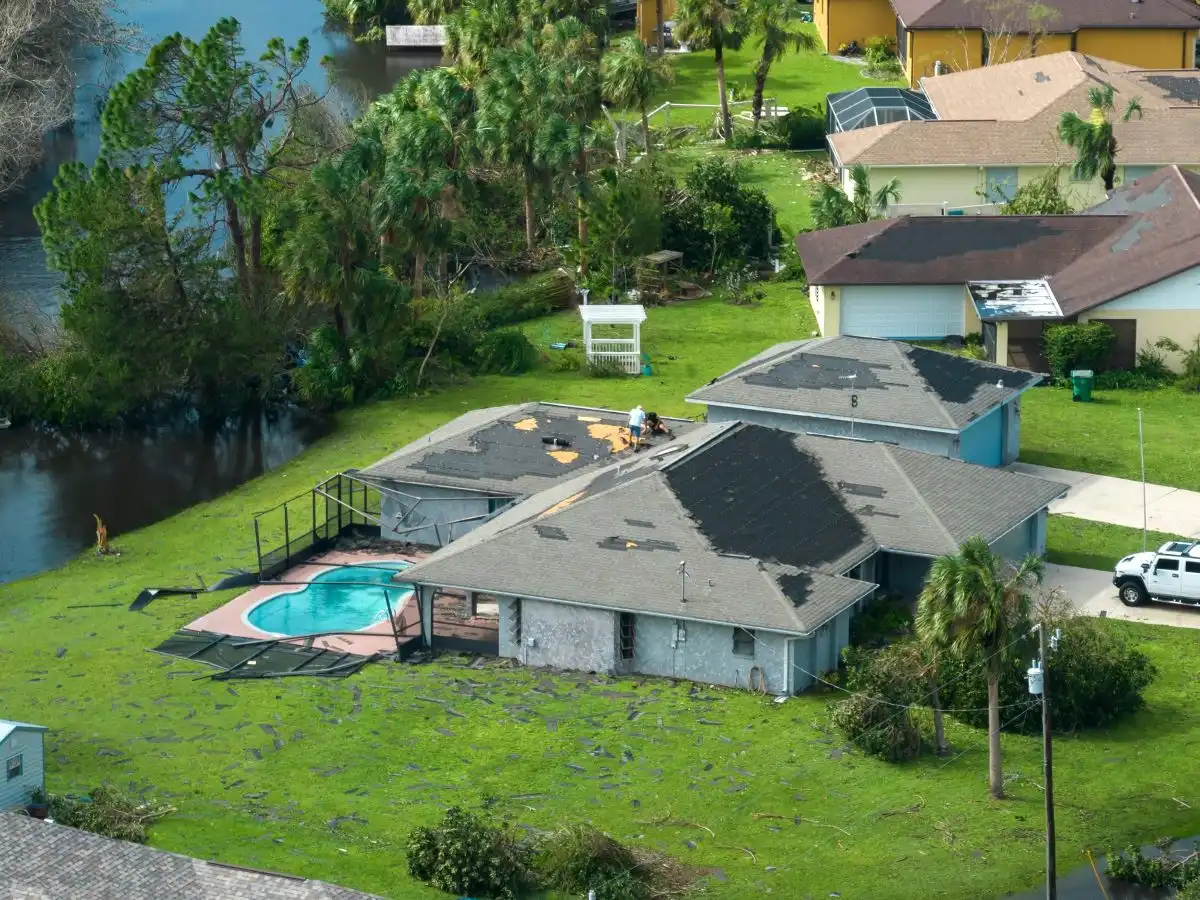
In Florida, flood risk is part of life. Hurricanes, tropical storms, storm surge, and heavy rainfall can cause damage quickly — even in areas that aren’t considered high-risk flood zones.
Many homeowners assume their homeowners insurance policy covers flood damage, only to discover after a storm that flood protection requires a separate policy.
For many Florida residents, that coverage comes through the National Flood Insurance Program (NFIP). Before storm season arrives, here are seven important things to understand about NFIP flood insurance in Florida.
-
Homeowners Insurance Does Not Cover Flood Damage
Standard homeowners insurance policies typically exclude flood damage.
In Florida, flooding can result from hurricanes, storm surge, overflowing canals, heavy rain, or neighborhood drainage backups. Without a separate flood insurance policy, homeowners may be responsible for paying those repair costs themselves.
That’s why many Florida homeowners purchase flood insurance through the NFIP or a private flood insurance carrier.
-
NFIP Building Coverage Is Limited to $250,000
NFIP flood insurance provides coverage for the structure of your home, but the program has coverage limits.
For residential properties, the maximum NFIP dwelling coverage is $250,000. With Florida rebuilding costs continuing to rise, that amount may not fully cover the cost to repair or rebuild a home after a major flood event.
Homeowners in coastal areas or higher-value neighborhoods often review excess flood insurance or private flood insurance options for additional protection.
-
Personal Property Coverage Is Capped at $100,000
NFIP policies also limit contents coverage.
The maximum available for personal belongings is $100,000. That includes items such as furniture, clothing, electronics, and appliances damaged by a covered flood event.
Many Florida homeowners are surprised how quickly those costs add up after water enters a home.
-
NFIP Contents Coverage Pays Actual Cash Value
One of the most overlooked details of NFIP flood insurance is how personal property claims are paid.
Contents coverage under an NFIP policy is typically settled on an actual cash value (ACV) basis. That means depreciation is applied to your belongings before claim payments are issued.
Older furniture, televisions, flooring, and household items may receive significantly less than the cost to replace them with new items today.
-
NFIP Flood Insurance Does Not Cover Additional Living Expenses
If your home becomes unlivable after a flood, NFIP coverage does not pay for temporary housing or relocation costs.
Hotel stays, short-term rentals, meals, and other loss of use expenses are generally excluded under NFIP policies.
For Florida homeowners recovering from hurricane-related flooding, this can become a major financial challenge during repairs.
-
There’s Usually a 30-Day Waiting Period Before Coverage Starts
Many NFIP policies include a 30-day waiting period before coverage becomes effective.
In Florida, waiting until a hurricane is approaching often means it’s too late to secure flood coverage for that storm. Reviewing your policy options before hurricane season begins can help avoid gaps in protection.
-
Flooding Can Happen Outside FEMA Flood Zones
Not every Florida flood claim comes from a high-risk flood zone.
Heavy rain, overwhelmed drainage systems, and nearby water intrusion can cause flooding in areas homeowners may not expect. In fact, FEMA reports that many flood claims occur outside designated high-risk areas.
Even a few inches of water inside a home can lead to expensive repairs, damaged flooring, ruined drywall, and mold concerns.
Protecting Your Florida Home Starts with Understanding Your Coverage
Flood insurance can play an important role in protecting your home and finances, especially in a state where hurricanes and heavy rainfall are part of the reality of living near the coast.
Understanding NFIP flood insurance limits, exclusions, and coverage gaps can help you make more informed decisions before storm season arrives.
ARCW Leavitt helps Florida homeowners review flood insurance options, understand available coverage, and identify potential gaps that could affect recovery after a flood event.