
Bonds / Surety
Caliente, Cedar City, Ely, Hurricane, Mesquite, Saint George
Our surety bonds department works with clients to develop customized bond programs that fit each client's unique needs.
Request Quote or Contact Us
Please note: coverage cannot be bound or altered online. A service representative will need to contact you to finalize your request.
What is a surety bond?
If you’ve ever felt frustrated trying to figure out what a surety bond is, don’t worry — you’re not alone. Many contractors and business owners across Southern Utah and Nevada run into the same confusion when they’re told they need one.
The good news? We can help you break it down.
With offices in Cedar City, St. George, Hurricane, Ely, and Mesquite, our team helps local businesses understand and secure the surety bonds they need — quickly and correctly.
Surety Bonds, Simplified
- A surety bond involves three parties: the principal, obligee, and surety
- It guarantees that a job will be completed or requirements will be met
- If obligations aren’t met, the surety steps in — and you reimburse them
What is a surety bond?
First, don’t think of surety bonds as a type of insurance. While they share some similarities, they are not the same.
A surety bond is a contract between three parties:
- Principal – the person or business required to fulfill the contract (likely you)
- Obligee – the party requiring the bond (such as a government agency or project owner)
- Surety – the company that guarantees the contract will be fulfilled
Ultimately, a surety bond gives the obligee confidence that the principal will complete the work or meet required regulations.
How do surety bonds work?
Here’s a simple breakdown of the process:
- The obligee requires a surety bond
- The principal applies for the bond
- The surety evaluates the business (financials, experience, etc.)
- The bond is issued
- If obligations aren’t met, the surety may step in
Example:
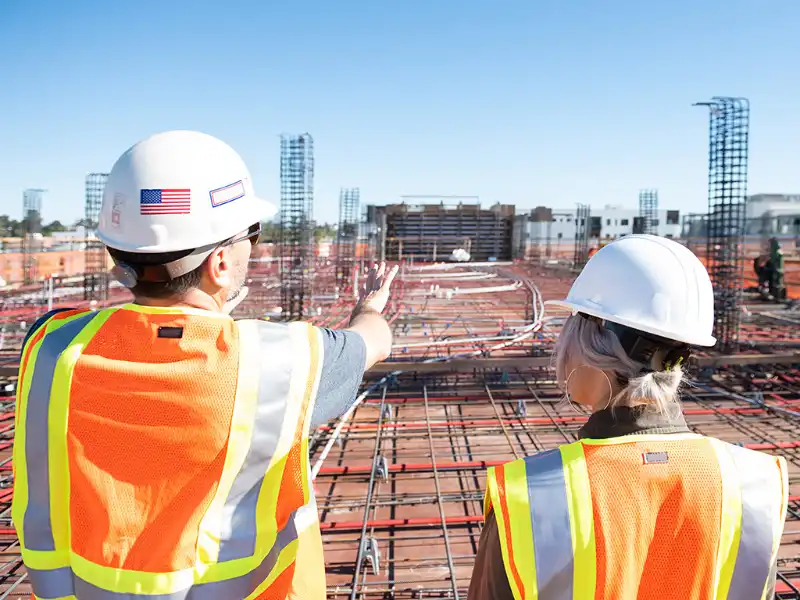
Let’s say you own a construction company working on a government-funded road project.
- Your company = principal
- The government = obligee
- The bond company = surety
The surety reviews your business to ensure you can complete the project as agreed.
Not sure what bond you need for a project in Utah or Nevada? Our team can help you figure it out quickly.
What happens if I don’t fulfill the contract?
If your business is unable to meet the contract requirements:
- The surety may step in to complete the work or cover losses
- You are responsible for reimbursing the surety
- It may impact your ability to get bonded in the future
This is a key difference from insurance — the financial responsibility ultimately comes back to you as the principal.
How long do surety bonds last?
Surety bonds are typically issued for a set term:
- One, two, or three years, or
- For the duration of a specific project or obligation
They can also be extended if a maintenance period is required.
What surety bond do I need?
The best way to determine your requirements is to contact the obligee directly. They will specify:
- The type of bond required
- The bond amount
Requirements vary by state, county, and city, especially across Utah and Nevada, so there’s no one-size-fits-all answer.
If you’re unsure where to start, we can help you navigate local requirements in Cedar City, St. George, Hurricane, Ely, and Mesquite.
What information is required?
Unlike standard insurance, applying for a surety bond requires documentation to demonstrate your reliability.
Most applications include:
- Personal and corporate financial statements
- Resumes for key personnel
- Business references
Additional requirements may apply depending on the bond type.
While this can feel like a lot, it helps demonstrate that you’re capable of fulfilling your obligations.
Surety bonds vs. insurance
Although you can often purchase surety bonds through an insurance agency, they serve different purposes.
Surety Bonds
- Guarantee performance or compliance
- The principal is responsible for losses
- Typically a one-time cost
Insurance
- Protects against unexpected losses
- The insurer assumes the risk
- Paid through ongoing premiums
What are the different types of bonds?
There are thousands of bond types, but the most common include:
- Contract bonds – ensure contractors complete projects as agreed
- Commercial bonds – required for licensed businesses to meet regulations
- Court bonds – protect parties involved in legal proceedings
- Fidelity bonds – protect businesses from employee dishonesty
Who needs a surety bond?
In most cases, you’ll be told when a bond is required. However, common examples include:
- Businesses applying for licenses
- Contractors working on government projects
Work with a local surety expert
As professionals in the surety bond space, we make it our business to understand your needs and guide you through the process.
With offices in Cedar City, St. George, Hurricane, Ely, and Mesquite, we’re proud to serve businesses across Southern Utah and Nevada with local expertise and personalized support.
Get started today
Need a surety bond or have questions about your requirements?
Contact our team today — we’ll help you find the right bond and get the process moving quickly.
Frequently Asked Questions
-
What's the difference between surety bonds and insurance?
Even though you can usually purchase a surety bond through an insurance company, surety bonds and insurance are not the same. They are both forms of financial protection, but there are a few key differences. Surety bonds ensure a commitment by the principal, and loss is not expected. Insurance guarantees a coverage of losses and is meant to protect the consumer buying the policy. Surety bonds require a one-time payment. Insurance is often paid in monthly premiums.
-
Who needs surety bonds?
Generally, if you need a surety bond, you will be informed of the requirement along with any specific conditions the bond must meet. However, there are people and groups who will always require a surety bond. These people and groups may include: Anyone applying for a license with their city or state Construction companies working for government entities As professionals in the field of surety bonds, we make it our business to know you and your concerns. We spend time learning and listening to better serve you, our clients. We'd love to chat with you. Contact us today!
-
How do surety bonds work?
The surety bond process begins when an obligee requires a principal to acquire a surety bond. By doing so, the principal can show the obligee they can fulfill the obligee's project or requirement.
For example, let's say you own a construction company that's working on a government-funded contract to build a road, and you are required to provide a surety bond. In this case, your company is the principal, and the government would be the obligee. A neutral third party, in this case, a surety bond company, would evaluate your business to determine whether your company would be able to complete the project as described in the contract.
-
What are the different types of bonds?
You can find thousands of different surety bonds specific to different situations. However, the bonds used most frequently are contract, commercial, court, and fidelity bonds. Contract generally required in the construction industry. Contract surety bonds ensure a contractor the principal will fulfill the contract. Commercial designed to ensure that licensed businesses will meet safety requirements set forth by public, legal, and government entities. Court meant to protect plaintiffs and defendants from fraud or financial harm. Fidelity helps protect businesses from losses occurring because of employee dishonesty and fraud.
-
What information is required for a surety bond?
Unlike standard insurance, there's a lot of documentation and information required to apply for a surety bond. The documentation required varies from bond to bond, but most companies ask for the following:
- Personal and Corporate
- Financial Statements
- Resumes for Key Personnel
- References
Remember, this isn't an exhaustive list. A lot of surety bond companies have additional requirements. It may seem like a hassle to provide all this documentation but keep the bigger picture in mind. With this documentation, you're showing the surety bond company you are experienced and responsible enough to meet the contract's requirements.
-
What surety bond do I need?
The best way to find out your surety bond requirements is to contact the obligee requiring the bond and ask them directly what type of bond you need, and the dollar amount the bond needs to guarantee. Requirements vary among states, counties, and cities, so there's no one-size-fits-all answer.
-
What happens if I don't fulfill the contract?
If your business is unable to meet all the contract requirements satisfactorily, then the surety company will step in to fulfill your obligations. After the surety fulfills the contract, your company as the principal is responsible for making the surety whole. The surety will look to you to reimburse the losses they incurred when fulfilling your obligation. Surety bonds are issued for a set term usually, one, two, or three years or are set up to last until the initial contract or statute is fulfilled. They can also be extended to allow for a maintenance period if problems arise or the principal did not satisfactorily meet the initial terms.
-
How do surety bonds work?
The surety bond process begins when an obligee requires a principal to acquire a surety bond. By doing so, the principal can show the obligee they can fulfill the obligee’s project or requirement.
For example, let’s say you own a construction company that’s working on a government-funded contract to build a road, and you are required to provide a surety bond. In this case, your company is the principal, and the government would be the obligee. A neutral third party, in this case, a surety bond company, would evaluate your business to determine whether your company would be able to complete the project as described in the contract.