States we serve: VA, MD, DC, PA, NC, SC, and WV
What Is Telematics and Why Are More Fleets Using It?
Written by Yalile Johansson—Commercial Insurance Risk Advisor
November 19, 2026 · Commercial Insurance
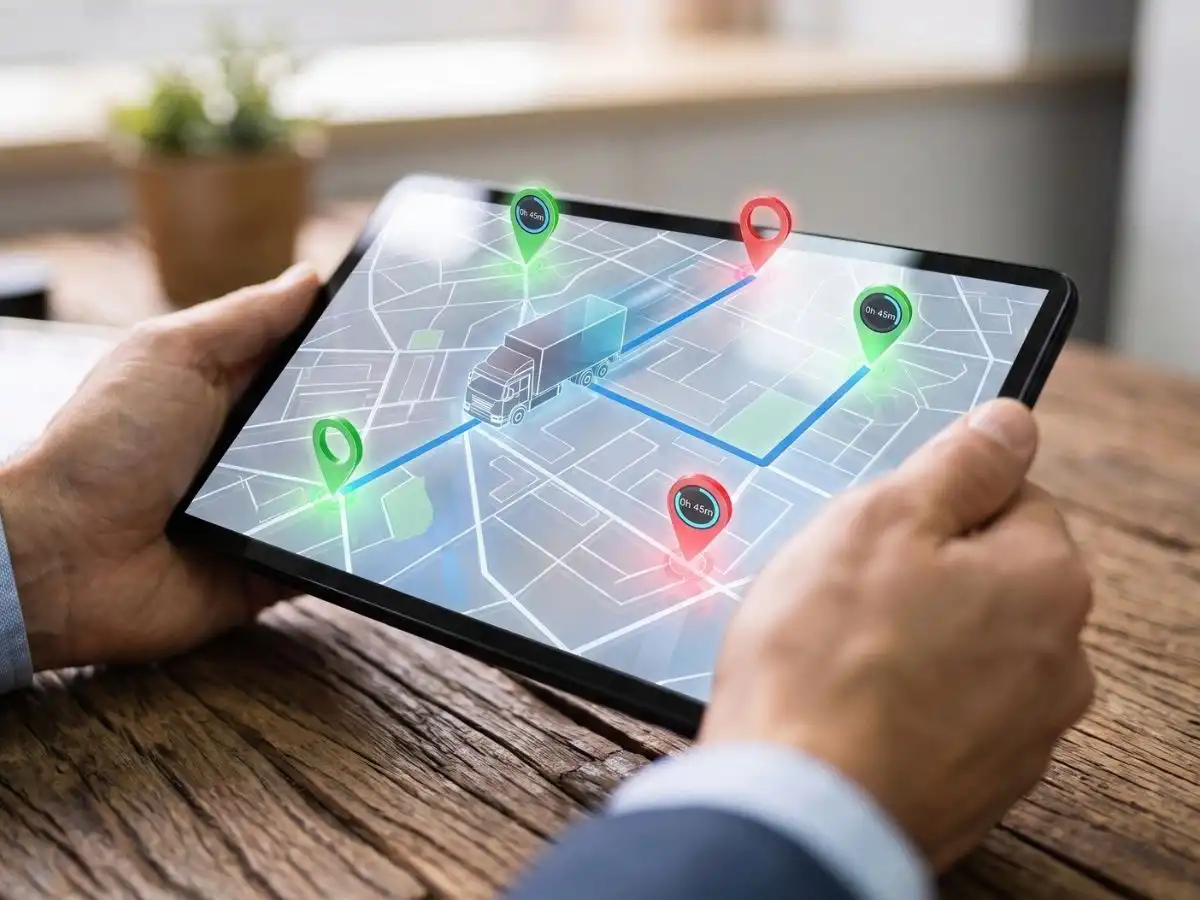
A lot of hauling companies have telematics in their trucks, but far fewer are getting real value out of it.
Have questions?
Contact us today.
Please note: coverage cannot be bound or altered online. A service representative will need to contact you to finalize your request.
In our last post, we looked at the 5 fleet safety challenges facing sand, gravel, and dump truck companies.
Telematics is one tool that can help with several of them, but only if you’re actively using what it tells you.If you run a small fleet, you can't ride along in every truck with every driver. Telematics can help close some of that gap.
In plain terms, telematics uses vehicle and location data to show you how your fleet is operating.
Depending on the system, that may include location, speed, driving events, idling, and other vehicle information.
But here's the part I always stress: having telematics isn't the same as proactively using telematics.
GPS Tracking
GPS is the telematics feature most fleet owners already know. It shows you where your trucks are.
For local and regional hauling companies, that means better visibility as trucks move between pits, plants, job sites, the yard, and customer locations.
Depending on the system, you may also be able to look back at where a truck was at a specific point in time.
Geofencing
Some telematics systems also offer geofencing. Simply put, geofencing helps you monitor vehicle activity around specific locations you set up in the system.
If your trucks run between the same set of locations day after day, it can give you another layer of visibility into what your fleet is doing.
Like any telematics feature, though, the information only helps if someone is paying attention to it.
Driver Behavior and Speed Monitoring
This is where telematics really earns its keep from a risk-management standpoint.
Depending on the system, you may get information on:
- Speed
- Hard braking
- Rapid acceleration
- Location
- Other driving events you define
One alert doesn't necessarily mean you have a bad driver. Patterns are what deserve your attention.
If a driver keeps triggering the same kinds of alerts, that gives you something specific to review and talk through with them.
Idle Tracking
Idle data needs context, too.
In a sand, gravel, dirt, or dump truck business, waiting is part of the job. Trucks sit at the pit, the quarry, the plant, the scale, or the job site as part of normal operations.
So the goal shouldn't be to treat every minute of idling as a driver problem. Look for patterns instead.
If you keep seeing the same issue at the same location, there may be a bigger operational question worth asking.
Route Information
Location data can also show you how your trucks move throughout the day.
If you run recurring local or regional routes, reviewing that information may help you better understand where your trucks are spending their time.
The system gives you the information. You, or your fleet manager, bring the judgment.
Be Proactive With the Information
This is one of the most important things I tell clients about telematics: don't install it and forget about it.
If the system keeps flagging speeding, hard braking, or another behavior, decide what you're going to do about it.
A simple process might look like this:
- Review the data
- Identify a pattern
- Coach the driver
- Document the conversation
- Follow up
The goal isn't to watch drivers just to watch them. It's to spot trends early enough to have a conversation before they potentially contribute to a loss. To me, that's what proactive use means.
How Can Telematics Support Fleet Risk Management?
Telematics doesn't prevent accidents on its own. It can give you information that may help you spot behaviors or patterns that need attention.
Put that information side by side with your loss history.
If you're seeing recurring claims and your telematics data points to related driving behavior, you now have a clearer place to focus training or coaching.
That's when telematics stops being just another piece of technology and becomes a real risk-management tool.
It also brings up a question I hear from a lot of business owners: "Will my insurance company care that I'm doing all this?"
That's what we'll look at next.
Next in the series: Can Telematics Help Lower Your Commercial Auto Insurance Costs?
Let's Talk About Your Fleet
Every hauling operation is different. If you have questions about your drivers, equipment, loss history, fleet-safety practices, or how changes in your operation may affect your commercial auto insurance needs, I'd be glad to talk them through with you.
Have questions? Contact: