
The personal insurance team at Leavitt Great West works with Montana families year-round to help them plan ahead. This guide shares practical winter safety tips and highlights where a coverage review can help support your home, vehicles, and seasonal activities.
What to Expect This Winter in Montana
Long-range forecasts for Montana and the northern High Plains suggest near- to above-normal temperatures overall, with the coldest periods most likely in late January and early February. Mountain regions and higher elevations may see periods of heavy snowfall and Arctic air, while lower elevations could experience freeze and thaw cycles that increase ice risk.
Even when snowfall totals vary, drivers and homeowners should still expect snow-packed roads, icy conditions, and sudden temperature changes throughout the season.
Cold-Weather Safety Starts with Smart Layers
Staying warm in Montana winter conditions requires more than a heavy coat. Proper layering helps reduce the risk of frostbite and hypothermia.
Cold-weather essentials include:
- Moisture-wicking base layers
- Insulating mid-layers such as fleece or wool
- Windproof and waterproof outer layers Insulated, waterproof boots with good traction
- Warm hats, gloves or mittens, and neck gaiters
A small personal winter kit can also be helpful. Items such as hand warmers, extra socks, lip balm, and eye protection can make cold-weather outings more comfortable and safer.
If you notice numbness, pale or waxy skin, confusion, or uncontrollable shivering, move to a warm environment as soon as possible.
Winter Home Preparation
Cold temperatures and heavy snow can take a toll on Montana homes throughout the winter.
Helpful home care tips include:
- Clearing snow and ice from walkways and steps, then applying sand or ice melt
- Safely removing excess roof snow after major storms to help reduce ice dam formation
- Keeping vents and exhaust pipes clear of drifting snow
- Preparing for power outages with blankets, flashlights, backup phone chargers, food, and water
Winter is also a good time to review homeowners insurance limits and deductibles, as well as how your policy responds to seasonal risks such as frozen pipes or roof damage.
Winter Driving in Montana: Preparation Matters
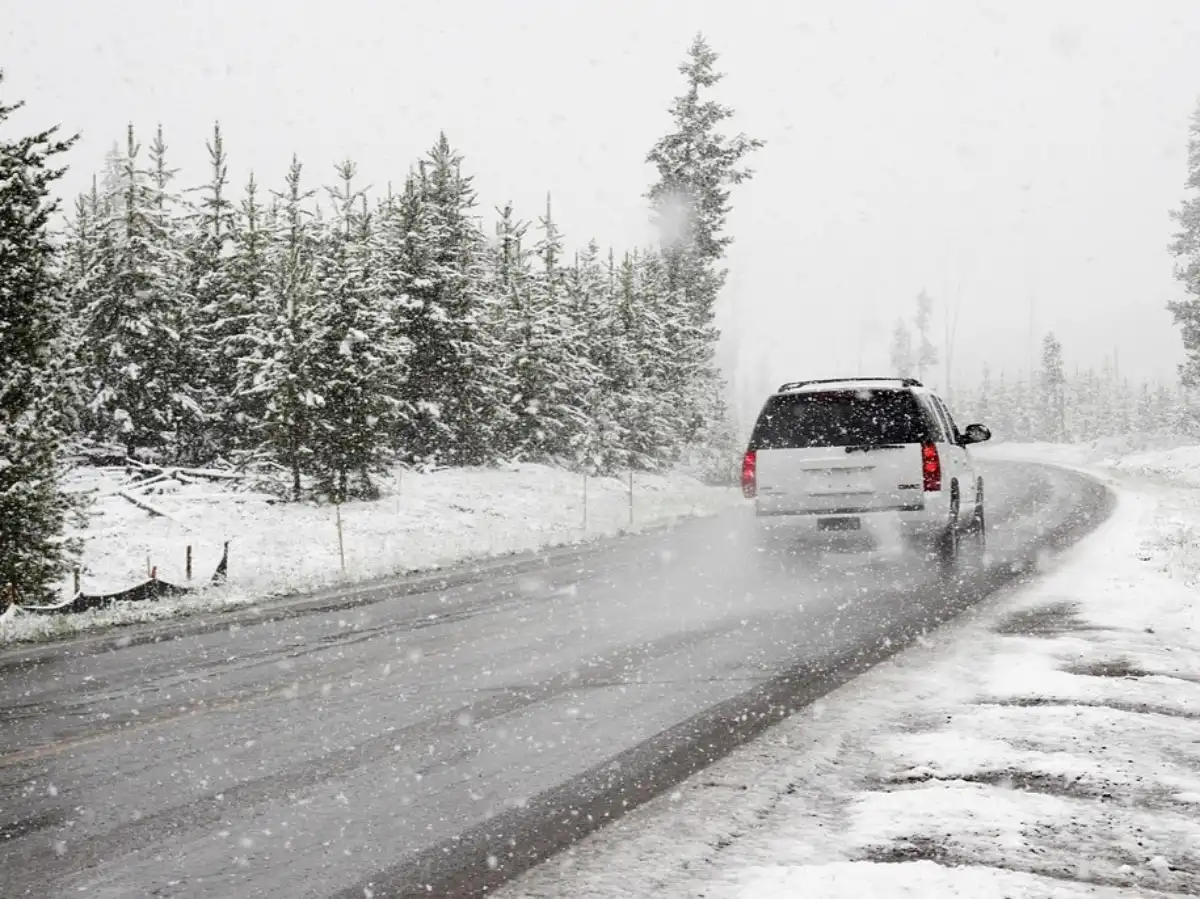
Winter driving conditions are a part of daily life across Montana. Preparation before you travel can help reduce risk.
Before heading out:
- Check Montana DOT road conditions and travel alerts
- Avoid travel during active winter storms when possible
- Make sure tires are winter-rated or have adequate tread
- Confirm that your heater, defroster, wipers, coolant, and washer fluid are working properly
For drivers who frequently travel on rural roads or mountain passes, reviewing auto insurance coverage ahead of winter can provide added peace of mind.
On the Road: Adjust How You Drive
Snow and ice require a different driving approach.
Safer winter driving habits include:
- Reducing speed and avoiding sudden braking or steering
- Leaving extra following distance
- Clearing all snow and ice from windows, lights, the hood, and the roof
- Avoiding cruise control on slick roads
Snowplows should always be given extra space. Crews often operate in tandem formations to clear multiple lanes efficiently.
Vehicle Emergency Kits and Getting Unstuck
Winter travel can change quickly, even on short trips.
A well-stocked winter vehicle kit includes:
- Blankets or sleeping bags
- Extra warm clothing
- Water and snacks
- A flashlight, shovel, scraper, and jumper cables
- Traction aids such as sand, kitty litter, or traction mats
- A phone charger or backup battery
If your vehicle becomes stuck, clear snow from around the tires, create a traction path, and gently rock the vehicle between drive and reverse. If you run the engine for heat, do so briefly and make sure the tailpipe stays clear to avoid carbon monoxide buildup.
How Personal Insurance Fits into Winter Readiness
Winter preparation goes beyond snow removal and vehicle maintenance. It is also a good time to review:
- Home coverage for cold-weather damage
- Auto coverage for winter driving risks
- Coverage for seasonal vehicles or winter equipment
The personal insurance team at Leavitt Great West helps Montana families make sure their coverage aligns with how they use their home, vehicles, and property during the winter months.
If it has been a while since your last review or your needs have changed, starting the conversation now can help you stay prepared.