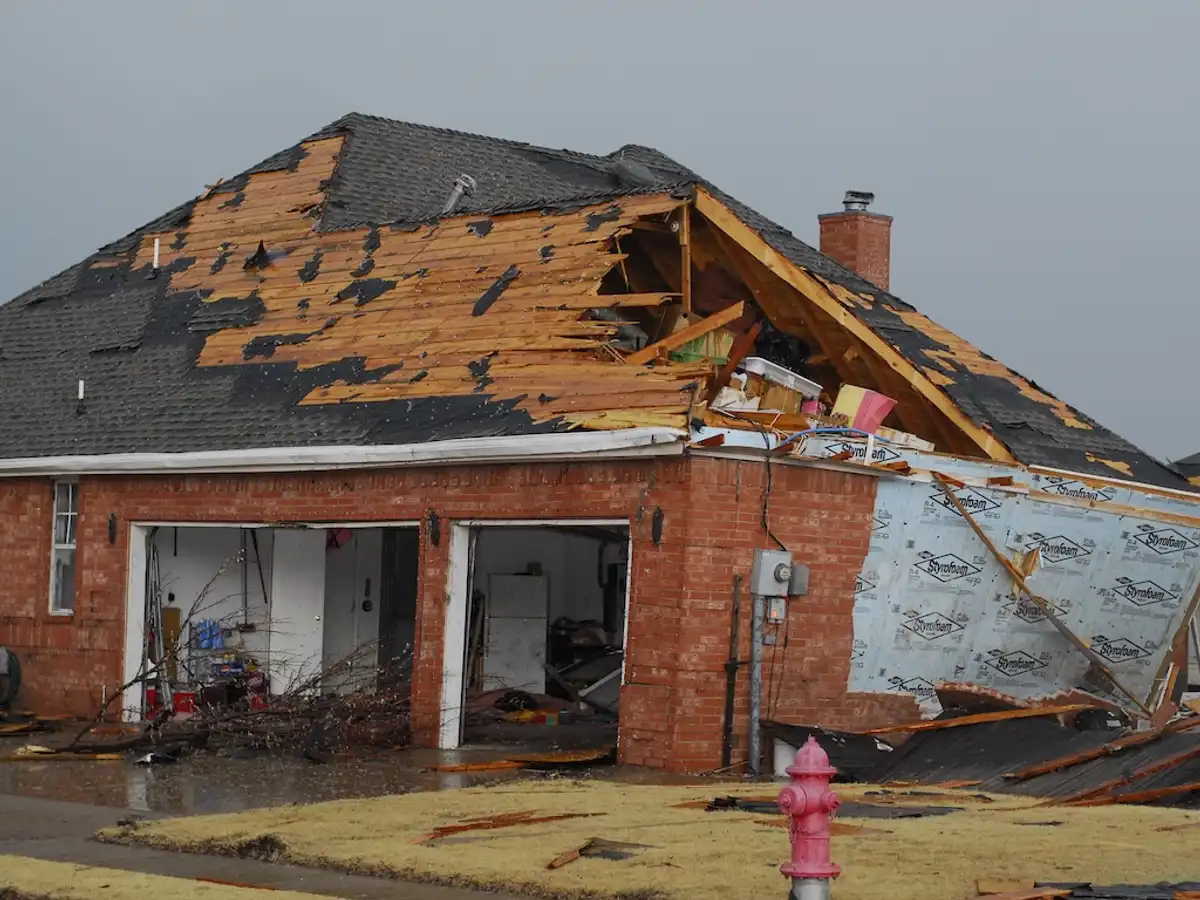
After severe weather moves through—whether it’s hail, strong winds, heavy rain, or tornado activity—many homeowners are left trying to assess damage and figuring out what steps to take next.
In Texas, where severe thunderstorms and hail events are common in many areas, understanding the homeowners insurance claims process can help reduce stress and make recovery smoother.
While every situation is different, taking the right steps early can make a meaningful difference during the claims process.
Keep a Safety-First Mindset
Before documenting damage or beginning cleanup, make sure your home is safe to enter. Watch for hazards, including the following:
- Downed power lines
- Structural damage
- Gas leaks
- Standing water near electrical systems
- Broken glass, exposed nails, and debris
If the damage appears severe, wait for professional guidance before entering the property or starting cleanup.
Understand What Your Homeowners Insurance May Cover
Homeowners insurance often helps cover sudden and accidental storm-related damage, but coverage can vary depending on the type of loss and the details of your policy.
Depending on your coverage, a policy may help pay for:
- Roof and siding damage caused by hail or wind
- Water damage caused by a covered storm event
- Damaged personal belongings
- Temporary living expenses if your home becomes uninhabitable
However, certain types of damage, such as flooding from rising water, typically require separate flood insurance coverage.
If you’re at all unsure what your policy includes, your insurance advisor can help explain your coverage and deductible responsibilities.
Contact Your Insurance Company Promptly
Once it’s safe to do so, contact your insurance company or insurance advisor as soon as possible.
Provide:
- A general description of the damage
- Your contact information
- Information about whether the home is currently safe to occupy
If you’ve temporarily relocated because of the damage, let your insurer know where you are staying and the best way to reach you.
Starting the claims process as early as possible can help move inspections and repairs forward more efficiently.
Document the Damage Thoroughly
One of the most important parts of the claims process is properly documenting the damage. Before beginning major cleanup or repairs:
- Take clear photographs and videos of all affected areas
- Document damage to both the home and personal belongings
- Make a list of damaged items whenever possible
This documentation can help support your claim and create a clearer record of losses. If you previously completed a home inventory, now is the time to use it. Home inventories can make it much easier to identify and value damaged belongings during the claims process.
Make Temporary Repairs to Prevent Further Damage
Homeowners are generally expected to take reasonable steps to help prevent additional damage after a storm.
Temporary measures may include covering roof damage with a tarp, boarding up broken windows, removing standing water, and drying any affected areas as quickly as possible.
As you make temporary repairs, keep these thoughts in mind:
- Temporary repairs should focus on protecting the property from further damage
- Major permanent repairs should typically wait until after the adjuster has inspected the damage
Be sure to save receipts for any emergency supplies or temporary repair expenses, as these costs may be reimbursable under your policy.
Keep Track of Additional Living Expenses
If storm damage makes your home temporarily unlivable, your homeowners policy may include coverage for additional living expenses (ALE).
ALE coverage can help reimburse reasonable extra costs, such as:
- Hotel stays
- Restaurant meals
- Laundry expenses
- Temporary housing costs
Good documentation can help simplify this particular part of the claims process. This means saving all receipts, keeping your records organized, and tracking these additional living expenses separately from your normal household spending.
Be Careful of Storm Repair Scams
Unfortunately, severe weather events often attract fraudulent contractors and repair scams.
Be cautious of anyone who:
- Pressures you to sign a contract immediately
- Requests large upfront payments
- Shows up unsolicited, offering repairs
- Refuses to provide references or written estimates
Before hiring a contractor, do your research by verifying their licensing and insurance information, reading reviews and checking references, obtaining written estimates, and taking the time to review contracts carefully.
Your insurance company or advisor may also be able to help you identify reputable local contractors.
Small Steps Can Make the Process Easier
Storm damage can feel overwhelming, especially in the first few days after a loss, but staying organized, carefully documenting damage, and understanding the claims process can help make recovery smoother and reduce unnecessary stress along the way.
At Leavitt Group Texas Select, our team is here to help you understand your homeowners coverage, navigate the claims process, and prepare for future risks before storms occur.
If you have questions about your homeowners coverage or want to review your policy before the next storm season arrives, we’re here to help.
Have questions? Contact: