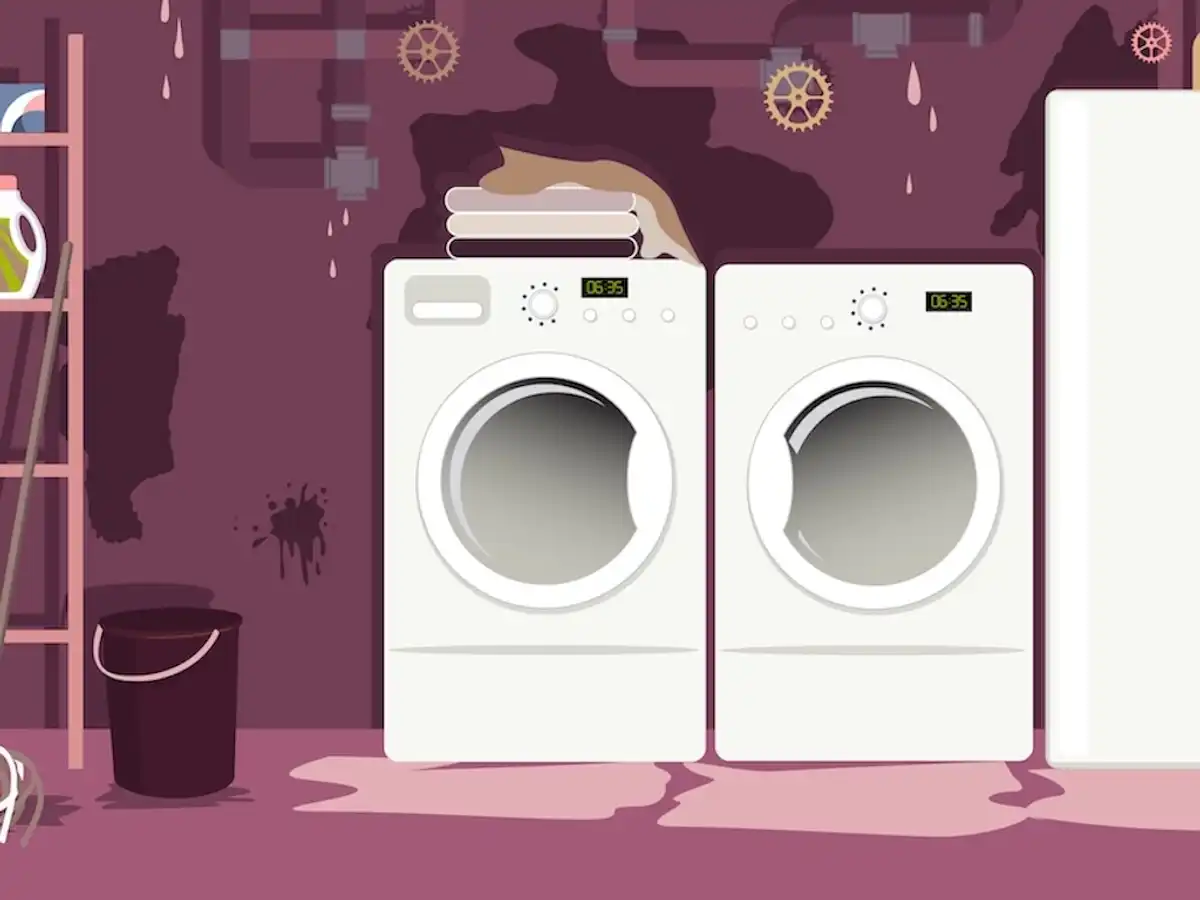
A slow leak, a burst washing machine hose, or a failing water heater can quickly lead to expensive water damage that affects not just your home but also your time, finances, and even your indoor air quality.
The good news is that many common causes of water damage are preventable through regular maintenance and a better understanding of the systems that carry water through your home. In Texas, where hard water, severe storms, and extreme temperatures can place added stress on plumbing systems and appliances, staying proactive becomes even more important.
Why Preventing Water Damage Matters
Water damage can do more than ruin flooring or drywall. Depending on the severity, it can:
- Lead to mold or indoor air quality concerns
- Damage furniture and personal belongings
- Create costly repair bills
- Interrupt daily life for weeks or longer
It can also affect homeowners insurance claims. While many policies may cover sudden or accidental water damage, issues stemming from long-term neglect or poor maintenance may not be covered.
That’s why prevention matters, not just for protecting your home but also for helping to avoid unnecessary stress and expense later.
Plumbing: Understanding the Pipes Inside Your Home
One of the most important steps in preventing water damage is understanding the type and age of your home's plumbing system. Different pipe materials age differently, and some are far more prone to leaks or deterioration than others.
If you had a home inspection completed when you purchased your home, your inspection report may identify the types of pipes in the home. If not, a licensed plumber can perform an inspection.
Knowing what type of plumbing you have can help you:
- Understand the expected lifespan of your pipes
- Identify potential risks before problems occur
- Plan ahead for repairs or replacement
Common Pipe Lifespans
According to guidance from the U.S. Department of Housing and Urban Development, common plumbing materials generally last:
Supply Pipes
- Brass: 40 to 70+ years
- Copper: 50+ years
- Galvanized steel: 20 to 50 years
Drain Lines
- Cast iron: 75 to 100 years
- PVC: Often lasts indefinitely under normal conditions
Keep in mind that these are general guidelines, not guarantees. Factors like maintenance, installation quality, and water conditions can significantly affect longevity.
In many areas of Texas, hard water with high mineral content can accelerate wear inside pipes, water heaters, and plumbing fixtures over time.
Problem Pipes Homeowners Should Know About
Some older plumbing materials pose higher risks and may require replacement even if they haven’t technically reached the end of their expected lifespan.
Polybutylene Pipes
Polybutylene piping is a gray plastic plumbing material commonly installed between the 1970s and 1990s.
While it was originally popular because it was inexpensive and easy to install, it has since become known for premature failure. Chemicals commonly found in treated water can cause the pipes to deteriorate from the inside out, sometimes leading to leaks or bursts without warning.
If you suspect your home has polybutylene piping, it’s a good idea to have it professionally inspected.
Lead Pipes
Lead pipes were commonly used in older homes in the early 1900s.
The concern with lead isn’t just leaks; it’s water quality, too. Lead can leach into drinking water over time, creating potential health risks.
If you believe your home may have lead pipes, consider having your water tested. Elevated lead levels may indicate it’s time to replace portions of the plumbing system.
Washing Machines: A Common Source of Water Damage
Many homeowners are surprised to learn how often washing machine hoses are involved in water damage claims.
In fact, broken washing machine supply hoses account for a significant percentage of residential water damage incidents. A burst hose can release hundreds of gallons of water in a short time, causing extensive damage before the leak is discovered.
Why Washing Machine Hoses Fail
There are several common causes:
Age: Washing machine hoses wear down over time. The risk of failure increases significantly after five years of use.
Material Type: Some hoses are more durable than others.
Common options include:
- Standard rubber hoses
- Braided stainless steel hoses
- Flood prevention hoses with automatic shutoff features
Braided steel and FloodChek-style hoses generally provide stronger protection against splitting and bursting.
Improper Installation: Kinks, bends, or insufficient clearance behind the washing machine can place stress on the hoses and increase the likelihood of failure.
How to Help Prevent Washing Machine Leaks
A few simple maintenance habits can greatly reduce your risk:
- Replace washing machine hoses every five years
- Upgrade older rubber hoses to steel-braided versions
- Inspect hoses every six months for cracks, bulging, or wear
- Ensure connections remain tight and secure
- Leave enough space behind the machine to avoid kinks
It’s also a good idea to label hoses with the installation date so replacement timelines are easier to track.
Water Heaters: One of the Most Overlooked Risks
It’s easy to forget about your water heater until it stops working completely, but leaks and tank failures can cause extensive damage, especially if they occur unexpectedly or while no one is home.
Research from the Insurance Institute for Business & Home Safety has found:
- Most water heater failures involve leaking or burst tanks
- The risk of failure increases significantly after five years
- Many water heaters fail before reaching 10–12 years old
How to Extend the Life of Your Water Heater
Flush the Tank Annually
Sediment buildup can reduce efficiency and place additional strain on the tank. Flushing the system once a year helps remove debris and mineral buildup.
Check the Anode Rod
The anode rod helps prevent corrosion inside the tank. It should typically be inspected every three to five years and replaced if heavily deteriorated.
Maintain Proper Clearance
Keep at least two feet of open space around the water heater unless the manufacturer’s instructions state otherwise.
Pay Attention to Warning Signs
Rust-colored water, unusual noises, moisture around the base of the unit, or inconsistent water temperature may indicate developing problems.
Small Maintenance Steps Can Prevent Major Damage
Taking a proactive approach to maintenance can help reduce the likelihood of costly water damage and unexpected repairs.
In addition to regular maintenance:
- Know where your home’s main water shut-off valve is located
- Address leaks or moisture issues quickly
- Remove standing water immediately if a leak occurs
- Dry affected materials as soon as possible to help prevent further damage or mold growth
Small preventative steps today can save significant time, expense, and frustration later.
Protecting Your Home Starts with Prevention
At Leavitt Group Texas Select, our team is here to help you better understand the risks that can affect your home and how your insurance coverage may respond if damage occurs.
If it’s been a while since you’ve reviewed your homeowners policy or discussed potential water damage exposures, now is a great time to take a closer look. Reach out today!
Have questions? Contact: