
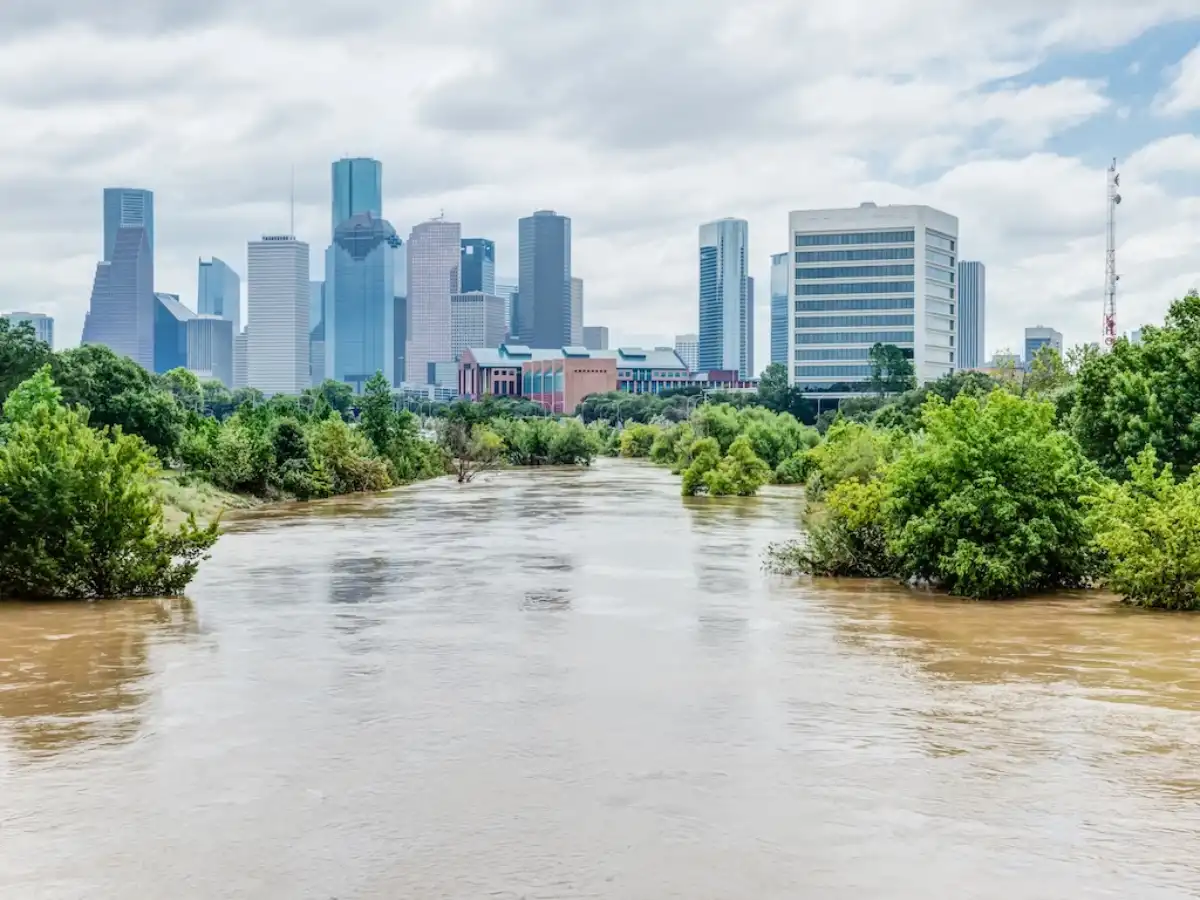
Flooding doesn’t just affect coastal towns; it’s one of the most widespread and costly natural disasters in the U.S., impacting all 50 states in the last five years. For Texas business owners, especially those who’ve lived through storms like Harvey or more recent heavy rains, the risk is real and growing.
From flash floods in Dallas to rising waters in the Gulf, flood events can shut down your operations and cause costly damage. In fact:
- 1 in 4 businesses that close due to a natural disaster never reopen
- The average commercial flood claim exceeds $89,000
- Annual flood-related property damage in the U.S. totals over $3.5 billion
Understanding your flood risk and how to protect your business is essential. Here’s what you need to know.
What causes commercial flooding?
Flooding can happen almost anywhere, and it’s not always tied to hurricanes. Common triggers include:
- Storm surges along the Gulf Coast
- Flash floods after sudden downpours
- Urban development, which changes how water drains
- Snowmelt and ice jams (more common in northern states)
- Mudslides and heavy runoff in hilly areas
You don’t have to be near a river or coastline to be at risk. Even inland businesses can experience flooding due to poor drainage, backed-up storm systems, or new construction nearby.
Does my commercial property insurance cover flood damage?
In most cases, your commercial property insurance does not cover flood damage. In fact, standard commercial property policies exclude flood damage. To be adequately protected, you’ll need a flood insurance policy through the National Flood Insurance Program (NFIP), which is federally backed but sold through private insurers.
Who needs flood insurance?
If your business is in a high-risk flood zone (Zones A or V) and you have a federally backed mortgage, flood insurance is required. But don’t assume you're safe if you're not in one of those zones.
The NFIP reports that approximately one in three flood insurance claims originates from businesses in low- to moderate-risk areas. New development, clogged drainage systems, or climate changes can quickly raise your risk, even if you're far from the coast.
Understanding Flood Zones
The NFIP uses flood zones to determine a property’s risk and your premium. The main categories include:
Moderate-to-low-risk buildings, which are in zones B, C, and X. This includes the following:
- Areas outside of the one percent annual chance floodplain.
- Areas of less than one percent annual chance of sheet-flow flooding where average depths are less than one foot.
- Areas of less than one percent annual chance of stream flooding where the contributing drainage area is less than one square mile.
- Areas protected by levees.
High-risk buildings, which are zones A and V.
- Zone A buildings are within a certain floodplain distance from a river, lake, or stream.
- Zone V buildings are within a certain distance from the coast and exposed to natural disasters associated with the ocean.
What does flood insurance cover?
You can choose to cover your building, the building’s contents, or both. NFIP commercial policies offer:
- Building coverage – Up to $500,000 for structural repairs
- Contents coverage – Up to $500,000 for inventory, equipment, and furnishings
- Improvements – If you lease, coverage may extend to tenant improvements (up to 10%)
- Debris removal – Cleanup costs after a flood event
How much does flood insurance cost?
Flood insurance premiums can vary based on multiple factors, including:
- Your flood zone and elevation
- The age and construction of your building
- Whether your business is above or below the base flood elevation
- The amount of coverage and deductible you choose
If you’re in a low-risk area, you might qualify for a preferred risk policy, which can cost just a few hundred dollars per year. That’s a small price to pay compared to the cost of a federal disaster loan, which must be repaid with interest.
Business Continuity: Why Flood Coverage Matters
Flooding doesn’t just damage buildings; it disrupts operations. And if your business is forced to shut down during repairs, you could lose weeks or even months of income.
Flood insurance provides a financial buffer during challenging times, allowing you to rebuild and reopen faster.
Next Steps
Flood risk is evolving. More extreme weather, more development, and outdated drainage systems are all contributing to a rise in unexpected flooding events, even in places that have rarely flooded in the past.
Visit disastersafety.org/flood/protect-your-business-from-floods to learn how to reduce your risk, then speak with your Leavitt Group Texas Select advisor about:
- Reviewing your current property coverage
- Exploring NFIP flood insurance options
- Building a risk mitigation and business continuity plan
With the right protection in place, you can weather any storm and keep your business moving forward.
Have questions? Contact:

Tony May
Co-Owner, Executive Vice President
Call: (713) 715-7212Book an Appointment»
...
Read Tony's full bio