
Whether you're running a storefront in Houston or managing a warehouse in Dallas, it’s essential to take winter seriously. The good news? With some planning, you can reduce your risk and stay focused on what matters: running your business.
Common Winter Risks for Texas Businesses
Severe cold snaps and winter storms may be infrequent in Texas, but when they do occur, they can lead to:
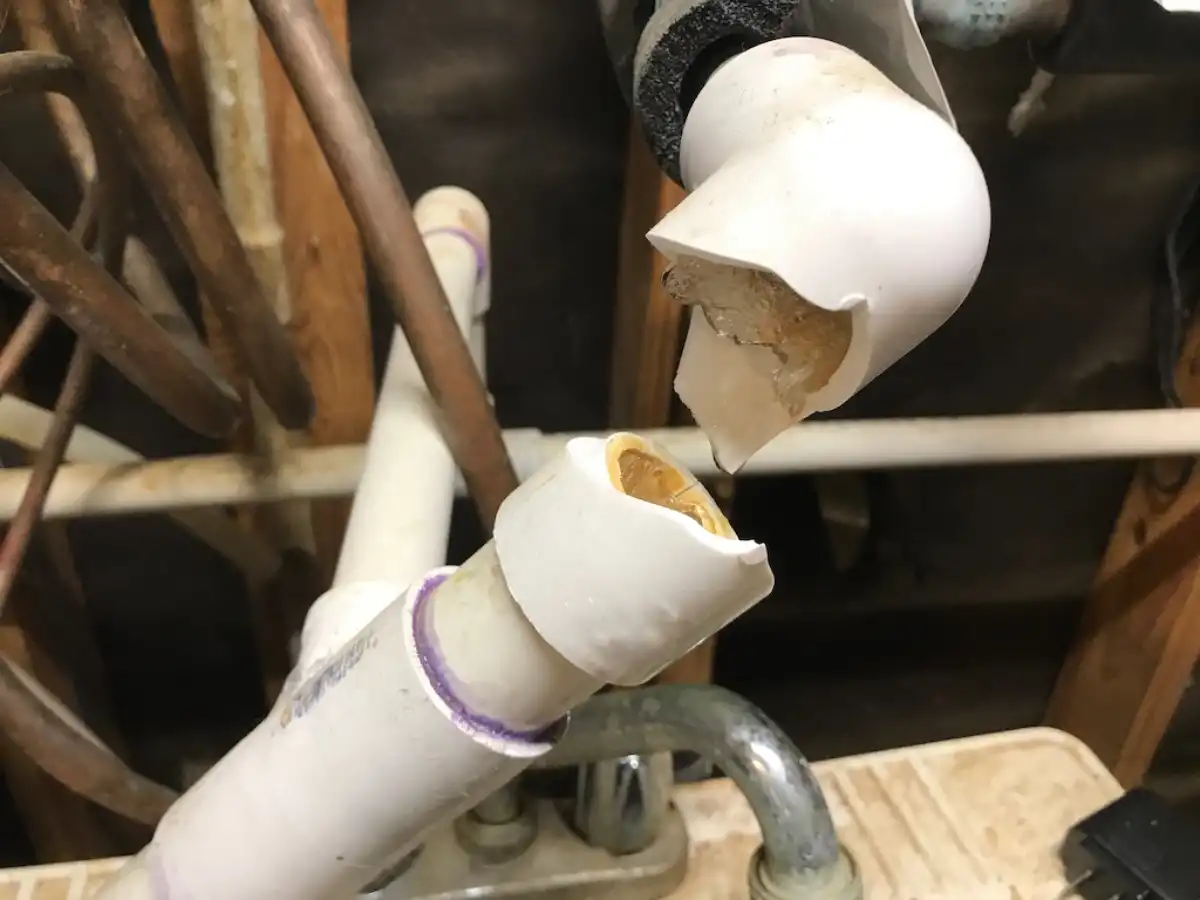
- Burst pipes from unexpected temperature drops
- Roof and building damage from high winds or ice buildup
- Malfunctioning fire suppression systems due to frozen sprinkler lines
- Inaccessible fire hydrants or driveways due to snow or ice
- Slip-and-fall injuries from icy sidewalks and parking lots
- Business closures or revenue loss during and after the event
- Spoiled equipment or inventory in unheated buildings
Maintenance Tips for Texas Winters
Just because we don’t get daily snow doesn’t mean winter prep isn’t important. In fact, less frequent exposure to severe weather can make businesses more vulnerable when extreme cold does roll in.
Here’s how to protect your property before the next hard freeze:
- Drain sprinkler and HVAC systems that won’t be in use over the winter
- Inspect your roof and gutters—Texas hail and windstorms can leave behind damage that worsens with ice
- Seal any cracks or entry points to keep out drafts and small animals
- Trim back trees and shrubs that could fall and damage the building during an ice storm
- Check heating systems for fuel and emergency backups
- Use indoor thermometers to monitor unoccupied areas
- Pre-book snow or ice removal services if your business is in a region prone to sleet or ice accumulation
- Stock ice melt, signage, and safety supplies to keep walkways clear during sudden freezes
Creating a Business Continuity Plan
Whether it’s a power outage or a closed-off road, unexpected winter events can disrupt your day-to-day. A business continuity plan helps keep you in control when operations are interrupted.
Start creating a business continuity plan with these steps:
- Identify Local Risks
Consider past cold-weather events in your region, like Winter Storm Uri in 2021, and how they impacted your operations. Were pipes frozen? Did power fail? Did employees struggle to get to work? - Estimate the Financial Impact
How long could you operate without heat, power, or water? Calculate the cost of being closed for a few days versus a few weeks and review those numbers with your insurance advisor. - Review Your Coverage
Work with your agent to ensure you have the right protection, including business interruption coverage and extra expense options. - Establish a Communication Plan
Make sure you have up-to-date contact information for all employees, clients, and vendors. Use email, text, and social media to keep people informed during outages or closures. - Explore Remote Work Options
If your team can work from home temporarily, have a backup plan in place that you can quickly activate. This is especially helpful when roads are icy or power is spotty.
After the Storm: What to Do If You Experience a Loss
If a winter event impacts your business, here are some steps you should take:
- Call your insurance advisor right away
- Document all visible damage
- Keep records and receipts for any temporary repairs
- Do what you can to prevent additional damage
Being proactive before the storm makes it much easier to recover afterward.
You Can’t Predict the Weather, But You Can Plan for It
In Texas, we may not get snow every winter, but when cold weather does hit, the impact can be widespread. By preparing now, you can minimize risk, protect your business, and bounce back quickly if a storm does come your way.
Contact your Leavitt Group Texas Select advisor today to review your winter risk strategy and ensure your coverage is ready to support your business, no matter what the weather brings.
Have questions? Contact:

Tony May
Co-Owner, Executive Vice President
Call: (713) 715-7212Book an Appointment»
...
Read Tony's full bio