
Download Article Resources
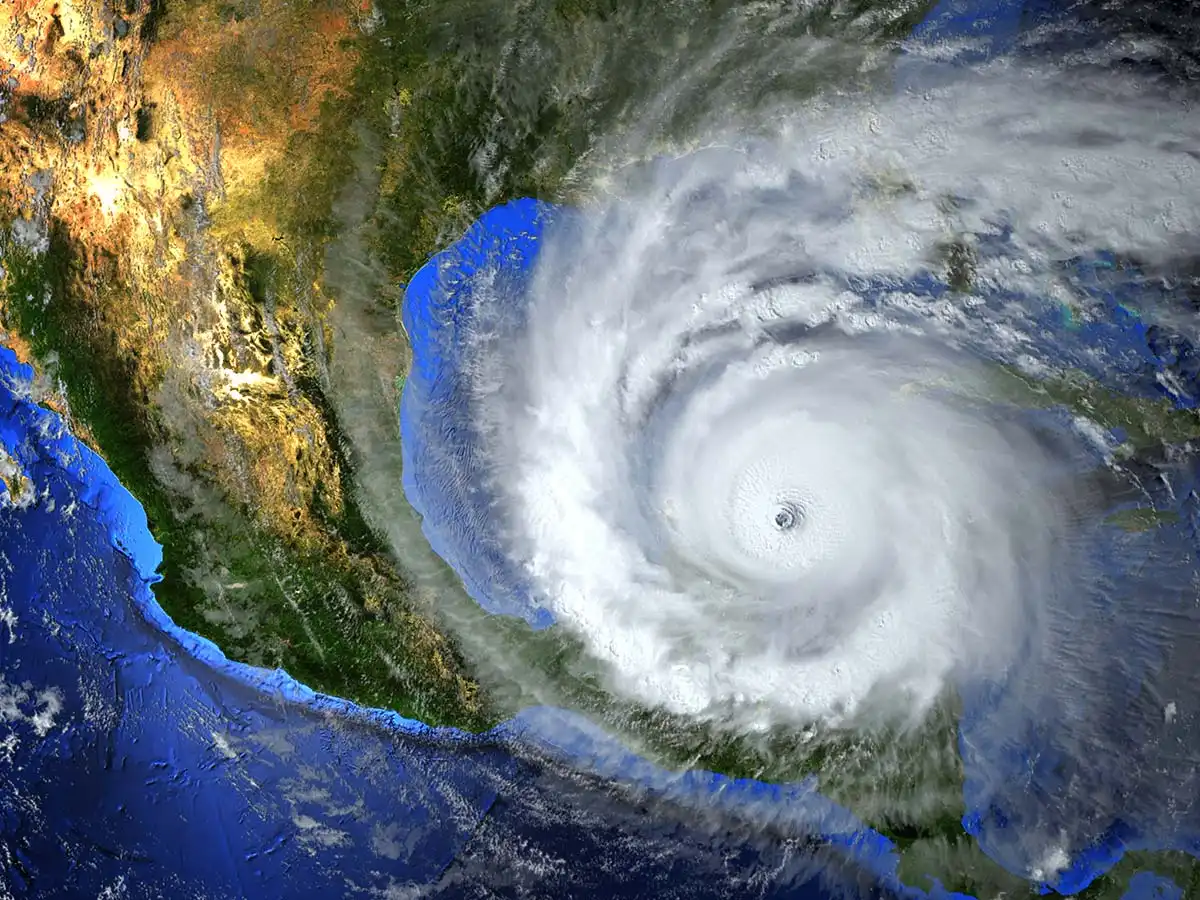
Hurricane Isaias Forecast Update
Based on National Hurricane Center (NHC) Advisory 8, issued October 8, 2026, at 10 a.m. CDT. Check the latest advisory before acting.
Hurricane and storm surge warnings are now in effect. The NHC says preparations in the warning area should be rushed to completion today.
Isaias is now a hurricane with sustained winds near 85 mph and is expected to strengthen to near 110 mph by Friday morning. Landfall is expected along the northern Gulf Coast within the warning area late Friday or early Saturday. Tropical-storm conditions are expected to begin Friday, with hurricane conditions Friday night into early Saturday.
- Hurricane warning: Ocean Springs, MS, to the Bay/Gulf County line, FL
- Storm surge warning: Mouth of the Mississippi River to the Suwannee River, FL. Peak surge of 5–7 feet is possible from Ocean Springs, MS, to Indian Pass, FL, including Mobile Bay.
- Tropical storm warnings: Jefferson/Plaquemines Parish line, LA, to west of Ocean Springs, MS, and east of the Bay/Gulf County line to the Aucilla River, FL
- Storm surge watch: Suwannee River to Yankeetown, FL
- Rainfall: 3–7 inches from southeastern Louisiana to Florida's Big Bend, locally up to 15 inches. Significant flash and river flooding is possible, especially in southern Alabama, the Florida Panhandle, and southwestern Georgia.
- Tornadoes: Possible Friday night in coastal Alabama, the Florida Panhandle, and far southwestern Georgia, continuing Saturday farther inland.
Sources: NHC Advisory 8 | NHC Discussion 8 | Latest NHC advisories
State resources: Mississippi | Alabama | Florida | Florida shelters
Set Your Deadlines Early
- Plan around wind arrival, not landfall. Build your timeline from the NHC's earliest reasonable arrival of tropical-storm-force winds and county guidance. Allow extra time for traffic and large rigs.
- Set two deadlines: a guest departure deadline and an earlier cutoff for maintenance work, so employees have time to reach safety themselves.
- Look beyond the cone and the category. The forecast cone shows the possible path of the storm's center; damaging conditions extend well beyond it. A storm's category reflects wind speed only, not the danger from surge, flooding, or tornadoes.
- Name one decision-maker for closing and reopening, plus a backup.
Get Every Guest Out Safely
- Check your exits. Know your evacuation zone, surge risk, and whether access roads or low-water crossings could flood. Confirm with local officials that evacuation routes can handle large RVs.
- Account for every site, including seasonal and long-term residents and staff housing. Contact owners of unattended RVs right away.
- Identify guests who need help with transportation, mobility, or finding a destination. Don't promise staff will move rigs without the right equipment and authorization.
- RVs, tents, and park models are not hurricane shelters. Neither is a clubhouse or bathhouse just because it's a permanent building. Confirm open shelters, transportation, accessibility, and pet policies with county emergency management.
- If a guest refuses to leave, repeat the instructions calmly, document it, and contact local emergency management or law enforcement. Never confront occupants or delay staff evacuation.
Communicate Clearly and Consistently
Keep a current site roster and phone list. Send the same message by text and email, post notices, and track who has received instructions, who has left, and who still needs help. Every guest update should include:
- The departure deadline, with date, time, and time zone
- Links to county emergency management and shelter information
- Your park contact number for anyone who needs help leaving
- When the next update will be sent
- A reminder not to drive through flooded roads or return until you confirm reopening
Contact upcoming reservations, suspend arrivals, and apply cancellation and refund terms consistently. Give staff an off-site check-in plan in case cell service fails.
Secure the Property
- Store loose items such as umbrellas, signs, trash cans, grills, rental equipment, and decorations. Move golf carts and vehicles to higher ground, and keep exits clear.
- Aluminum picnic tables are light and easily become projectiles. Store them indoors if you can. If not, flip them over, chain several together, and anchor them to solid points (never utility equipment or weak fences). This helps, but it is not wind-rated protection.
- Pool furniture belongs indoors. Guidance on submerging it in the pool is mixed (FSPA allows it; UF/IFAS advises against it), so check with your pool professional first. Don't drain the pool, and keep it closed.
- Ask departing guests to retract awnings, stow belongings, and prepare slides and hookups per manufacturer instructions.
- Clear drains and culverts, close docks and waterfront areas early, and ask your propane supplier how to handle tanks.
- Finish tree work, roof work, and other exposed tasks well before conditions become unsafe.
Plan for Utility Shutdowns and Outages
- Use qualified electricians to shut down circuits serving flood-prone pedestals, pumps, buildings, and pool equipment. Employees should never enter water to disconnect power.
- Plan for water, sewer, and septic failure, and decide in advance when restrooms and sites must close.
- Back up reservation records and contact lists off-site, with an offline copy.
- Run generators safely: outdoors, at least 20 feet from doors, windows, and vents (including neighboring RVs and cabins), with working carbon monoxide alarms. Never backfeed power through an outlet. See CDC generator safety.
Document Your Property and Know Your Coverage
Before the storm, photograph buildings, amenities, equipment, and representative sites, including any existing damage. Save policies, claim contacts, and financial records off-site, and start a log of storm-related expenses, closures, and refunds.
- Wind and flood are separate exposures. Storm surge counts as flooding, and most commercial property policies exclude flood unless it's specifically added. (FEMA)
- Business income coverage has conditions. A power outage or evacuation order alone doesn't automatically trigger it, and NFIP commercial flood policies don't cover business interruption. (NAIC)
- Check your deductibles. Hurricane and named-storm deductibles are often a percentage of property value, and a named-storm deductible can apply to a tropical storm. (NAIC)
- Your policy covers park-owned property, not guests' RVs and belongings.
- Review coverage before hurricane season. Coverage bought or changed as a storm approaches shouldn't be counted on for that storm. Ask your broker to review your actual policies.
Inspect Before Reopening
- Return only when authorities allow access, and keep guests out until roads, trees, structures, electrical systems, drinking water, wastewater, and pool barriers have been checked.
- Stay clear of downed lines, floodwater, unstable trees, and sewage. Flooded electrical equipment must be evaluated by a qualified professional before it's turned back on.
- Report losses promptly. Photograph damage before cleanup when it's safe, keep all receipts, and coordinate permanent repairs with your claim representative.
- Restored power alone isn't a reason to reopen. Wait until access, utilities, sanitation, and staffing are all safe.
If Time Is Short, Do These Five Things
- Set a safe departure deadline based on official guidance and wind arrival timing.
- Reach every occupied site and arrange help for guests who can't leave on their own.
- Store or secure loose items, especially aluminum tables and pool furniture.
- Complete safe utility shutdowns and release employees before conditions worsen.
- Photograph your property and save records, policies, and claim contacts off-site.
Official Resources
Monitor the National Hurricane Center, your local National Weather Service office, and county emergency management throughout preparation and recovery.
Have questions? Contact: