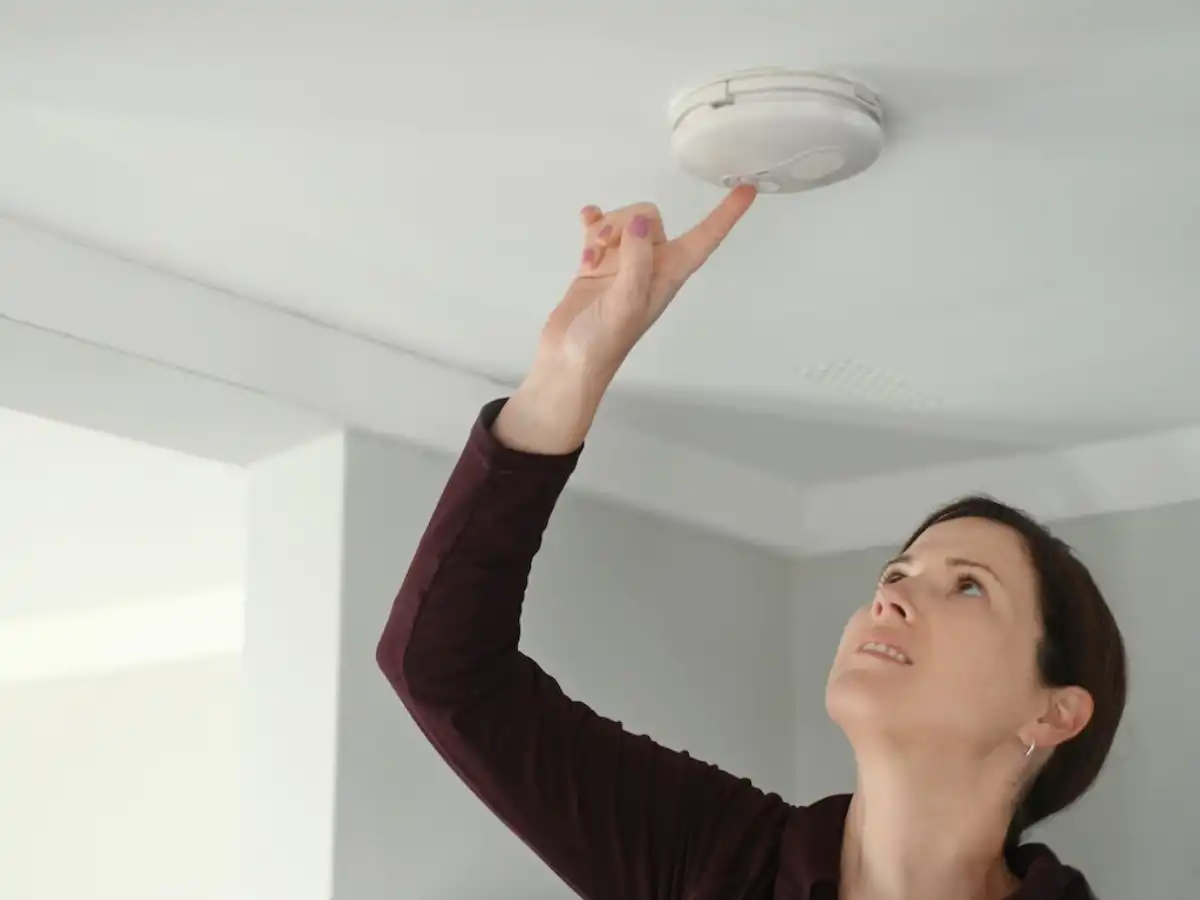
Smoke alarms are among the simplest and most effective tools for protecting your family and your home. Day or night, whether you're cooking dinner or sound asleep, they’re always on duty, scanning for smoke and sounding the alarm at the first sign of danger.
Here’s why that matters:
- 3 out of 5 home fire deaths happen in homes without working smoke alarms.
- 38% of fatal fires occur in homes with no smoke alarm at all.
- Working smoke alarms cut your risk of dying in a fire in half.
That’s a powerful return on a pretty small investment.
Where—and How—to Install Smoke Alarms
According to the U.S. Fire Administration (USFA), here’s what you should do to get the best protection:
- Install alarms on every level of your home, including the basement.
- Put them inside and outside of all sleeping areas—especially important for fires that start at night.
- Since smoke rises, install alarms high on walls or ceilings, following manufacturer guidelines.
- Have hardwired units professionally installed by a qualified electrician.
Keep Your Alarms in Working Order
Installation is just step one—maintenance matters, too.
- Test alarms once a month to make sure they’re working.
- Replace batteries yearly unless your alarm has a non-replaceable lithium battery.
- Replace the entire unit every 8–10 years (check the label for the manufacture date).
- Follow all maintenance instructions from the manufacturer.
Note: If your smoke alarm has a lithium battery, do not try to replace it. Instead, replace the entire unit when it expires.
Never Disable a Smoke Alarm
If your smoke alarm goes off while you’re cooking or showering, do not deactivate it! The alarm is just doing its job. Instead of leaving it useless by removing its battery, try these tips instead:
- Open a window or turn on a fan
- Press the “hush” button
- Wave a towel near the alarm to disperse smoke or steam
- If it’s a battery-powered unit, consider relocating it a few feet farther from the kitchen or bathroom
Remember, a smoke alarm without power is just plastic on the wall. Make sure yours is ready when you need it most.
For more fire safety tips, visit www.usfa.fema.gov.
Have questions? Contact: