
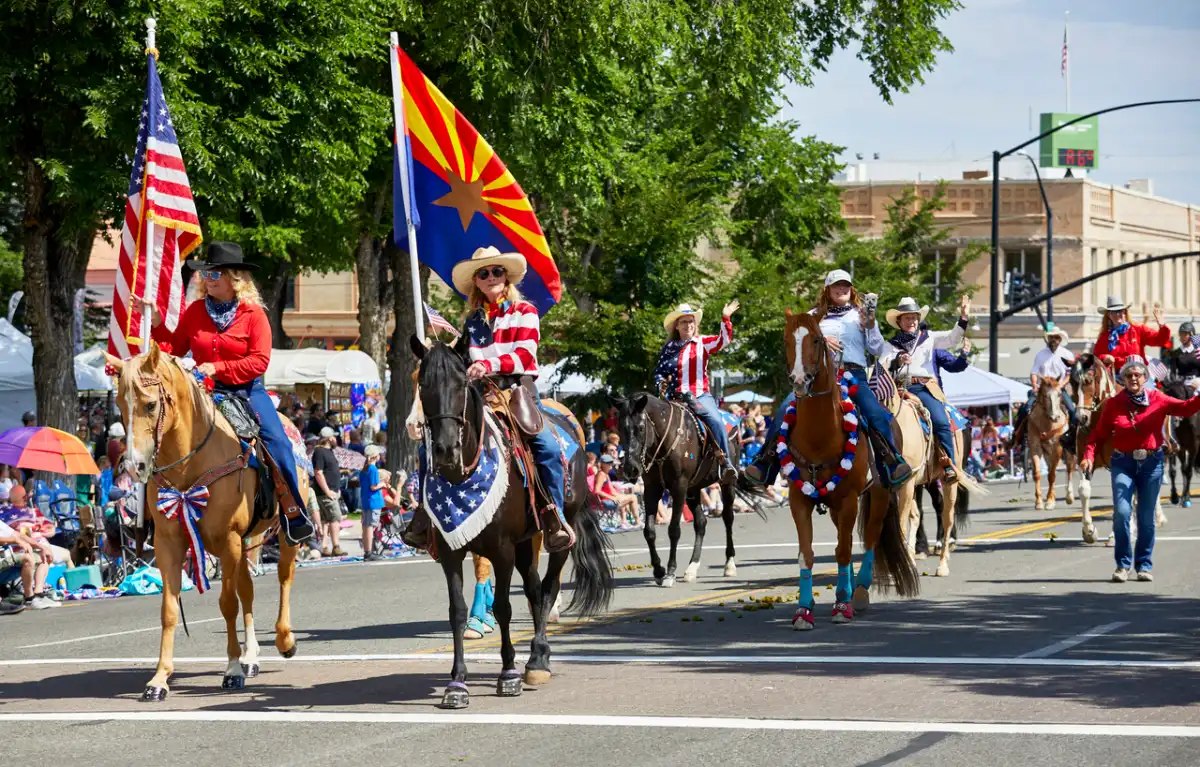
It is also one of the highest-risk days of the year for homeowners from a liability and property damage standpoint. Insurance claims tied to Independence Day gatherings, from fire damage and pool accidents to injuries on your property, spike every summer. And most homeowners do not think about their coverage until after something goes wrong.
Before you send out the invitations, it is worth spending a few minutes making sure your home insurance is ready for the day you are planning.
The Liability Risk Most Homeowners Underestimate
When guests come onto your property, you take on a degree of legal responsibility for their safety. If someone is injured at your gathering, whether it is a slip on a wet pool deck, a burn from the grill, or a trip in the yard, you could be held liable for their medical costs and potentially much more.
A standard homeowners policy includes personal liability coverage, which can help pay for bodily injury or property damage claims that arise from incidents on your property. But the limits on that coverage matter. Many homeowners carry $300,000 in personal liability protection, we recommend minimum $500K and a standard umbrella as cited, which sounds like a lot until you consider the cost of a serious injury claim, a lawsuit, or a settlement.
If your policy limits are on the lower end, or if you frequently host gatherings, a personal umbrella policy is worth a conversation. An umbrella policy sits above your homeowners liability and provides an additional layer of protection, typically starting at $1 million in coverage, for a relatively low annual premium.
Pools: The Liability Exposure That Requires Year-Round Attention
A pool is one of the most enjoyable features a home can have in an Arizona summer. It is also one of the most significant liability exposures a homeowner can carry.
Pool-related injuries are among the most serious and most costly claims in residential insurance. Drowning and near-drowning incidents, diving injuries, and slip-and-fall accidents on pool decks happen every summer, and they happen at gatherings just as often as they happen when the family is home alone.
If you have a pool, a few things are worth confirming with your insurance advisor before the holiday weekend. First, verify that your policy has adequate liability limits for a home with a pool. Some carriers require higher minimums or specific safety features like fencing and self-latching gates. Second, check whether your policy includes medical payments coverage, which can pay for a guest's medical bills regardless of fault and help avoid a liability claim altogether. Third, consider whether a personal umbrella policy makes sense given the added exposure a pool creates.
Beyond the insurance conversation, physical safeguards matter too. Fencing, locked gate access, clear pool depth markers, life rings or reaching poles, and a designated adult keeping watch during gatherings are all things that reduce the likelihood of an incident in the first place.
Fireworks: A Risk That Goes Beyond the Obvious
Arizona has a complicated relationship with consumer fireworks. Laws vary significantly by city and county, and some areas prohibit them entirely given the fire risk in dry conditions. In Flagstaff, Prescott, and much of northern Arizona, fireworks restrictions are especially strict due to the proximity of forests and the elevated fire danger that comes with the summer season.
Before anyone lights anything, it is worth knowing exactly what is and is not legal in your area. A call to your local fire department or a quick check with your city or county will give you a clear answer.
From an insurance standpoint, fireworks-related fire damage to your home is typically covered under a standard homeowners policy. But damage you cause to a neighbor's property is where things get more complicated. If a bottle rocket lands on the house next door, your personal liability coverage may apply, but the claim process and the neighbor relationship both tend to be difficult. And if fireworks are being used illegally at the time of the incident, coverage can be disputed.
The cleaner path is to attend a public fireworks display and leave the backyard show to professionals. It is a better experience, a lower risk, and a much easier conversation to not have to have with your insurance advisor afterward.
Grill Safety and Property Coverage
Grilling fires account for thousands of home fires across the country each summer, with July 4th consistently ranking as the peak day. Most of these fires are preventable with basic precautions, but they happen regularly even to careful homeowners.
If a grilling fire damages your home or outbuildings, a standard homeowners policy will generally cover that damage under fire perils. What it will not cover is damage to the grill itself, which is typically considered personal property and may be subject to sub-limits or depreciation depending on your policy. High-value outdoor cooking equipment is worth asking about specifically if it represents a significant investment.
A few practical steps that matter both for safety and for any potential claim: keep the grill at least ten feet from the house, siding, deck railings, and any overhead structures. Never leave it unattended while in use. Have a fire extinguisher accessible nearby, not stored in the garage on the other side of the house. And make sure propane tanks are stored properly and connections are checked before the first use of the season.
A Word on Social Host Liability
If alcohol is part of your 4th of July gathering, it is worth understanding what social host liability means for homeowners. In Arizona, social host liability laws are more limited than in some other states, but the personal liability coverage in your homeowners policy can still be implicated if an intoxicated guest causes harm to themselves or others after leaving your property.
This is another area where a personal umbrella policy provides meaningful protection. It is also a good reminder that making sure guests have a safe way home is both the right thing to do and a practical way to manage your exposure.
Review Your Coverage Before the Weekend
Most homeowners spend more time planning the menu than reviewing their insurance before a major gathering. That is understandable, but taking fifteen minutes to confirm a few key things with your insurance advisor before the holiday can make a real difference.
Key questions worth asking:
- What are my current personal liability limits, and are they appropriate for a home with a pool or regular gatherings?
- Do I have medical payments coverage, and what is the limit?
- Would a personal umbrella policy make sense for my situation?
- Are there any exclusions or conditions I should know about related to pools, fireworks, or gatherings?
- Is my dwelling coverage adequate to rebuild at today's construction costs if a fire caused significant damage?
4th of July Home Safety Checklist
Use this checklist before guests arrive to make sure your home, your gathering, and your coverage are all ready for the day.
|
|
Grill and Fire Safety |
|
[ ] |
Grill is positioned at least 10 feet from the home, siding, deck, and overhangs |
|
[ ] |
Propane connections inspected and no leaks detected before use |
|
[ ] |
Grill brushed and cleaned to prevent grease fire buildup |
|
[ ] |
Fire extinguisher is accessible and charged |
|
[ ] |
A responsible adult is assigned to monitor the grill at all times |
|
[ ] |
Lighter fluid and matches stored away from heat and out of reach of children |
|
[ ] |
Surrounding area cleared of paper plates, napkins, decorations, and anything flammable |
|
|
Pool Safety |
|
[ ] |
Pool gate is latched and locked before guests arrive |
|
[ ] |
A designated adult is assigned to actively supervise the pool area |
|
[ ] |
Life ring or reaching pole is accessible at poolside |
|
[ ] |
Pool depth is clearly marked and guests are aware of no-dive zones |
|
[ ] |
Pool deck is clear of tripping hazards and non-slip mats are in place where applicable |
|
[ ] |
Young children and non-swimmers have appropriate flotation devices |
|
[ ] |
A first aid kit is accessible nearby |
|
[ ] |
Pool drain covers are secure and compliant |
|
|
Fireworks Safety |
|
[ ] |
Fireworks laws confirmed for your specific city or county before purchase |
|
[ ] |
All consumer fireworks used only in open, clear areas away from structures and dry vegetation |
|
[ ] |
A bucket of water or garden hose is nearby and ready |
|
[ ] |
Children kept at a safe distance and supervised by adults at all times |
|
[ ] |
Used fireworks soaked in water before disposal |
|
[ ] |
Neighbors notified in advance if legal fireworks are planned |
|
[ ] |
Local fire weather conditions checked before use |
|
|
General Gathering Safety |
|
[ ] |
Yard walkthrough completed to identify and address tripping hazards |
|
[ ] |
Adequate lighting in place for evening hours |
|
[ ] |
Outdoor furniture stable and in good condition |
|
[ ] |
Alcohol service is monitored and non-alcoholic options are available |
|
[ ] |
A plan in place for guests who should not drive home |
|
[ ] |
Emergency contacts and nearest urgent care location known |
|
[ ] |
Home insurance policy reviewed and liability limits confirmed with your advisor |
Enjoy the Day with the Right Coverage Behind You
The 4th of July is meant to be enjoyed. The goal of reviewing your coverage and running through a safety checklist is not to add stress to the day. It is to make sure that if something unexpected does happen, you are not left managing a financial problem on top of an already difficult situation.
At Butler-Leavitt & LGNA, we work with homeowners across Phoenix, Flagstaff, Prescott, and the Verde Valley to make sure their personal insurance is built for real life, including the gatherings, the pools, and everything that comes with an Arizona summer.
Contact us before the holiday to review your homeowners coverage and make sure you are protected going into summer.